



Jonesboro, AR – JonesboroRightNow.com – It’s that time of the year when many Jonesboro residents will be cleaning up their yards of limbs and other debris.
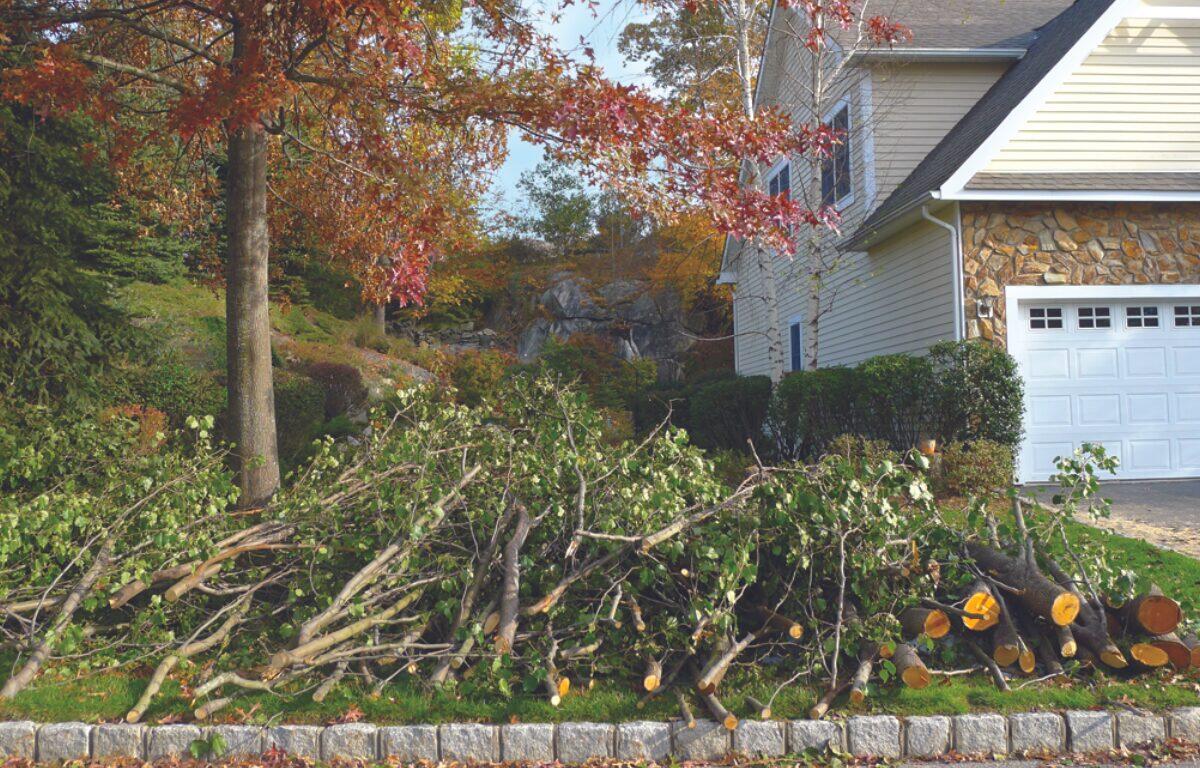
With an extensive yard cleanup, piles of limbs and brush frequently pop up on curbs across the city, often sitting long enough to kill the grass underneath them. While the waiting game can be frustrating for homeowners, the city says it’s not on purpose.
JRN spoke with the city about the collection process, why pickup may take longer, and the do’s and don’ts on laying out debris for crews to pick up.
The Timing of The Pickups
According to Sanitation Superintendent Patrick Courtois, regular yard waste, such as grass clippings and leaves packed in bags or standard 32-gallon containers, is collected twice a month on designated trash days. However, larger limb pickups operate on a completely different system.
| ADD US ON GOOGLE NEWS: Click here to see more local news from Jonesboro Right Now
“It’s not impossible,” Courtois said regarding giving residents a specific pickup date. “The best way I can explain it to you is that we have a city that’s very large, and on a good day, we have four knuckleboom trucks.”
The city’s sanitation department routes those four trucks based on standard trash days. If a resident’s trash day is Monday, the knuckleboom crews run that specific Monday route to collect large debris.
Courtois said because each day’s route is massive, crews simply work until their shift ends, then pick up exactly where they left off the following week.
Managing that rotation across 33,000 households is a logistical constant, especially when mechanical issues or staffing shortages arise.
“If you break that down with picking up five days a week, that’s 6,600 in a week with four knuckleboom trucks that we currently have—and that’s counting on them all working,” explained Lynette Hirsch, community engagement and marketing coordinator for the city.
Keeping all four trucks running has been challenging. Courtois noted that mechanical setbacks have frequently landed vehicles in the shop, and a citywide shortage of drivers holding Commercial Driver’s Licenses (CDLs) has occasionally left the department operating with a fraction of its fleet.
“There was at one point this year, I think it was a few months ago, we only had one truck running the city,” he recalled. “I had one driver down, two trucks broke down, and one truck was running.” When the fleet is reduced to a single vehicle trying to service 33,000 homes, a pile that typically takes a week to clear can quickly stretch into a month-long backlog.
The Rules of the Curb
To prevent a brush pile from sitting at the curb for an extended period, residents must adhere to the strict size and placement guidelines required by the claw trucks.
Courtois said crews will bypass piles if they are placed too close to utility poles, fire hydrants, or mailboxes. Furthermore, knuckleboom trucks use large automatic stabilizers that extend from the vehicle to maintain balance while lifting heavy loads. If a parked car blocks the pile, or if debris is stacked directly underneath a low-hanging tree canopy, the claw cannot safely navigate the space.
“If they pull up and there’s live wires above, they can’t do that,” he said. “It can’t be close to objects like mailboxes. It’s got to be at least four feet off the road right there where they can reach it.”
Size constraints are equally rigid. Courtois said limbs must be cut to 6 feet or shorter to fit properly into the truck’s processing mechanism, and the department will not accept heavy root balls, trunks, or dirt.
Beyond placement, the biggest obstacle to weekly collection is a hidden culprit: plastic.
Hirsch said many residents mistakenly mix loose lawn clippings or leaves inside regular plastic trash bags and throw them on top of their limb piles.
“By state law, it is illegal for plastic to be on the incinerator property. So when there is a mix… we have to send a special crew out to pick those up,” she emphasized.
Because plastic cannot go into the city incinerator, workers must manually transport those mixed bags to a separate location, rip them open by hand, separate the plastic, and then haul the loose debris back to the facility. To mitigate this bottleneck, Hirsch advised that the city provides free bundles of biodegradable paper lawn bags to residents during neighborhood cleanup events.
The City Incinerator
For residents who do not want to wait for the rolling route to cycle through their neighborhood, the city offers an alternative.
Jonesboro residents can take yard waste directly to the city incinerator at 2650 Lacy Drive. The service is completely free, although residents must present a driver’s license to verify their city residency and must be prepared to unload their vehicles or trailers themselves.
To maximize access, the city recently extended the facility’s operational window. The Lacy Drive incinerator is open Monday through Friday from 7:00 a.m. to 3:45 p.m., and every Saturday from 8:00 a.m. to 12:00 p.m.
As Jonesboro continues to experience rapid population growth, the strain on convenience services such as limb pickup will necessitate structural changes.
To address the ongoing CDL driver shortage, Courtois said they are actively researching purchasing smaller knuckleboom models for the 2027 fiscal budget that do not require a specialized commercial license to operate.
In the meantime, the city is asking homeowners for cooperation as it works through the seasonal surge.
“Please be patient and give us your input, because solutions are being worked on currently to make this a more efficient system,” Hirsch said.
| DAILY BRIEF: Sign up for the Jonesboro Right Now Daily Brief Newsletter