



Jonesboro, AR – JonesboroRightNow.com – Marking the 25th anniversary of the national campaign for sexual assault awareness, local professionals, advocates, and community members gathered Thursday morning at the First United Methodist Church for a morning of education, empowerment, and action.
The Third Annual Sexual Assault Awareness Seminar, hosted by the Family Crisis Center (FCC), occurred on April 23, aiming to strengthen the community’s coordinated response to sexual violence.
This year’s event echoed the national theme designated by the National Sexual Violence Resource Center: “25 Years Stronger: Looking Back, Moving Forward.”
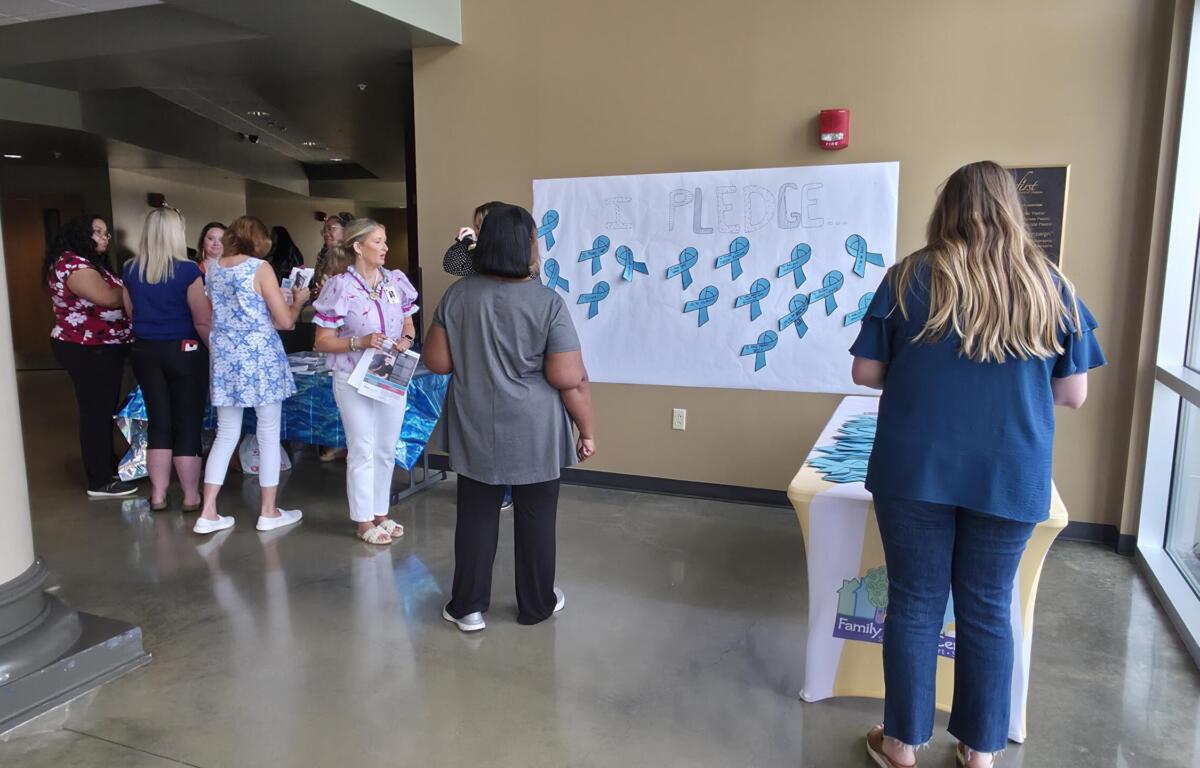
Throughout the venue, resource tables were set up so attendees could easily access and learn more about local services available to sexual assault survivors.
| ADD US ON GOOGLE NEWS: Click here to see more local news from Jonesboro Right Now
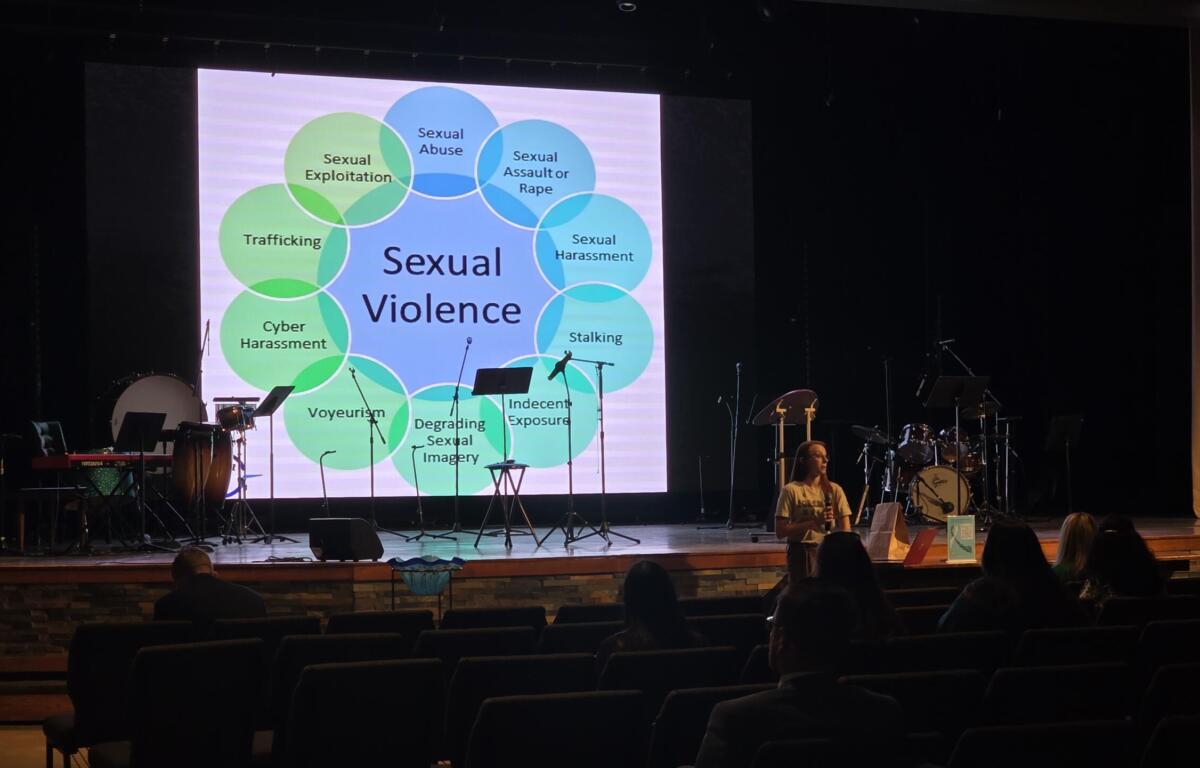
To address the complexities of survivor support, the seminar featured expert speakers across multiple areas.
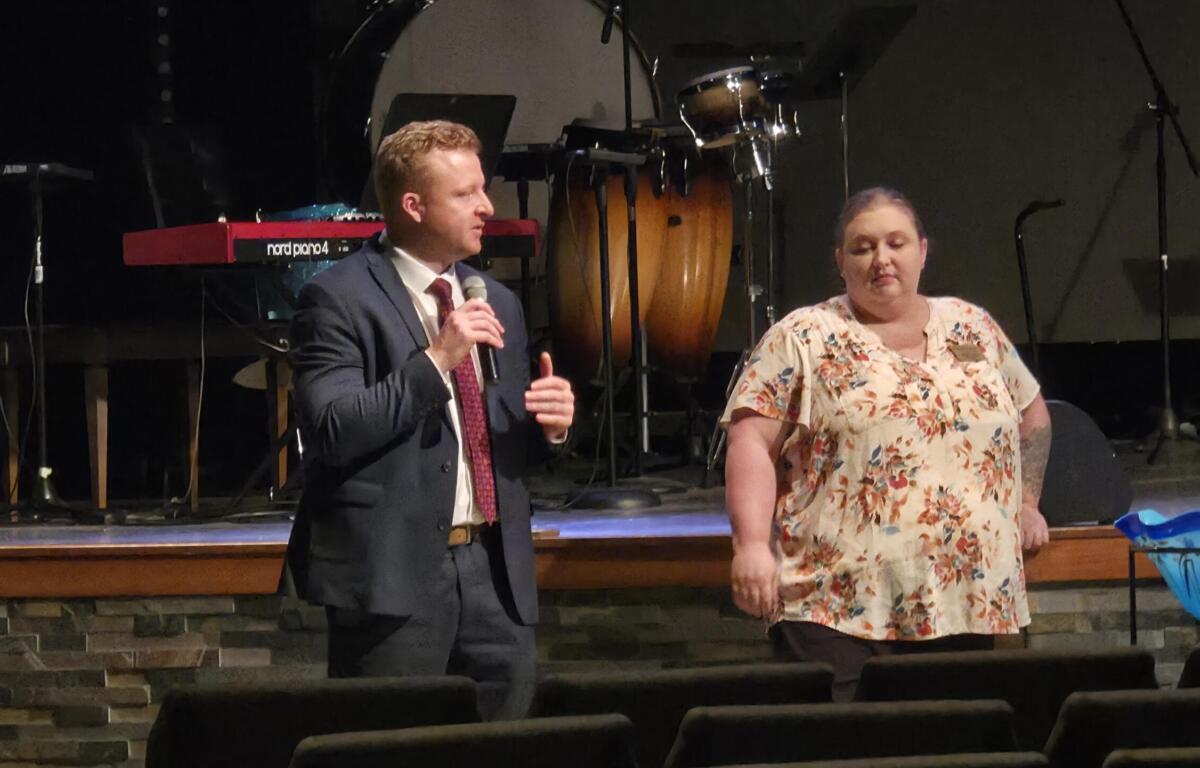
Sergeant Matt Foster with the Arkansas State Police Criminal Investigation Division led the keynote, focusing heavily on sex trafficking. Foster emphasized that exiting that lifestyle is a long process, noting it can take seven or eight positive encounters with law enforcement or advocates for an individual to leave it behind.
“They don’t see themselves as victims. They don’t really understand the manipulation that’s going on,” Foster said.
This presentation resonated strongly with attendees. Sarah Holt, a sexual assault advocate for the Family Crisis Center, pointed out Foster’s statistics on the prevalence of trafficking advertisements across Arkansas, specifically noting that Jonesboro is on that list. She recalled there being about 500 ads in the city each day.
“Just seeing that enormous number of the ads that are going out every single day just really solidifies how important this work is,” Holt said.
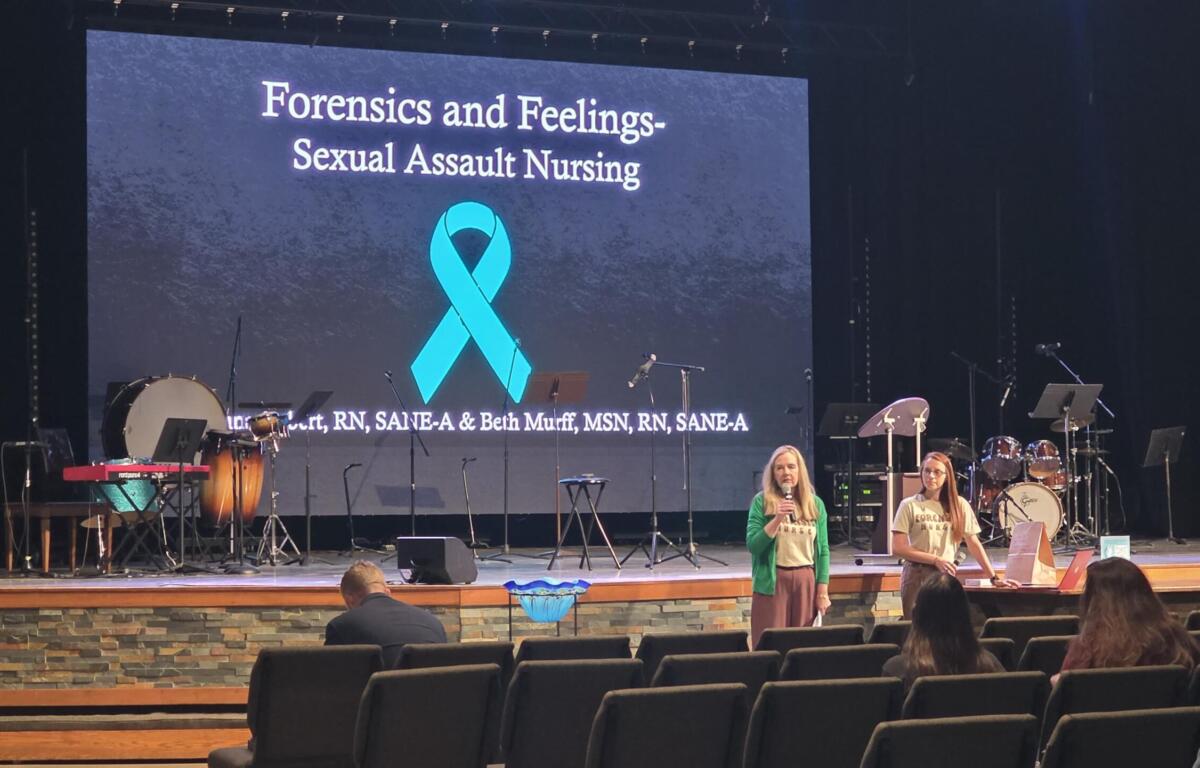
The seminar also brought a medical perspective. Sexual Assault Nurse Examiners (SANE-A) Rheanna Sibert and Beth Murff addressed common misconceptions, specifically highlighting the difference between consent and cooperation. Murff noted that victims often ‘cooperate’ simply to stay alive. Above all, they stressed that the medical process remains entirely in the survivor’s hands.
“It’s their journey, and they’re in control,” Sibert told the crowd.
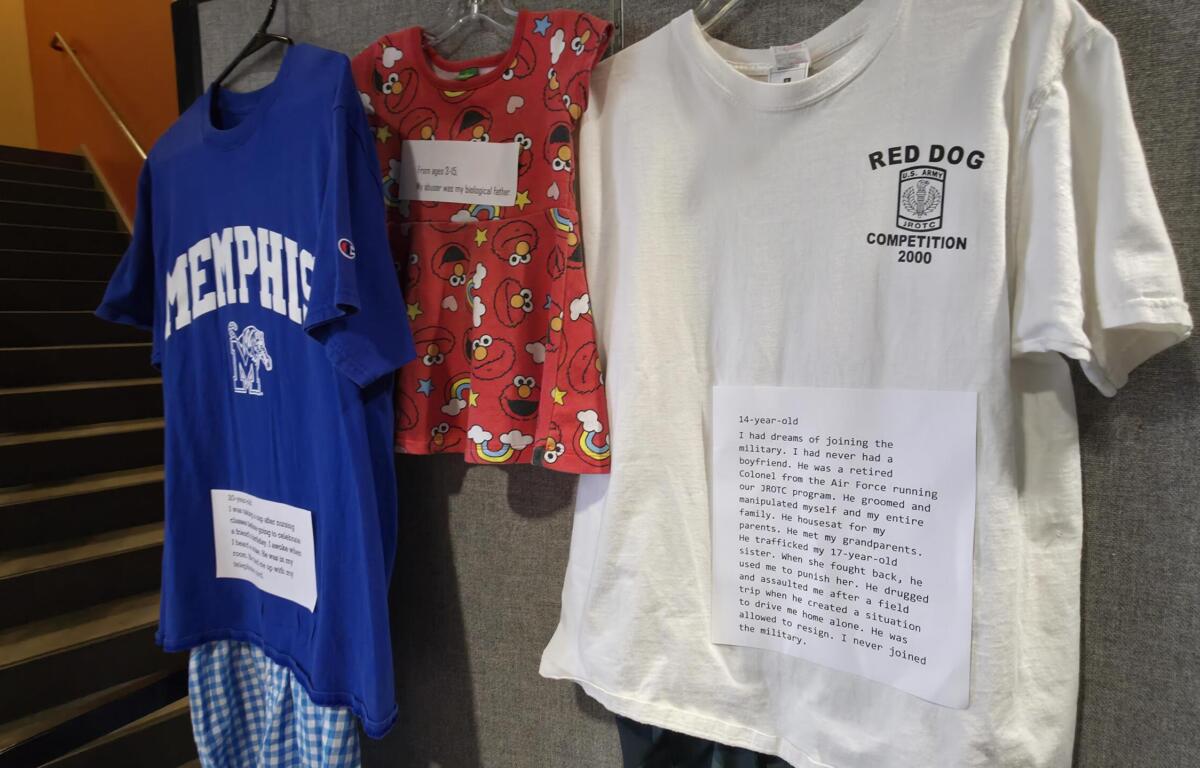
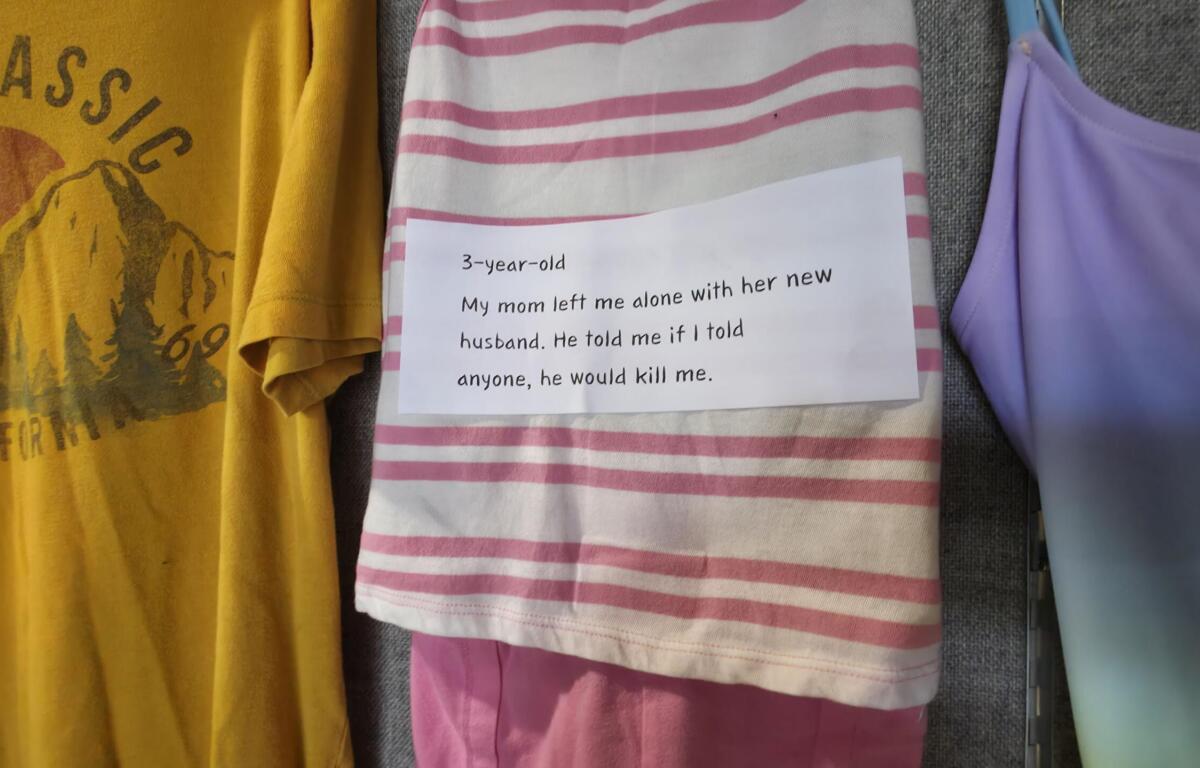
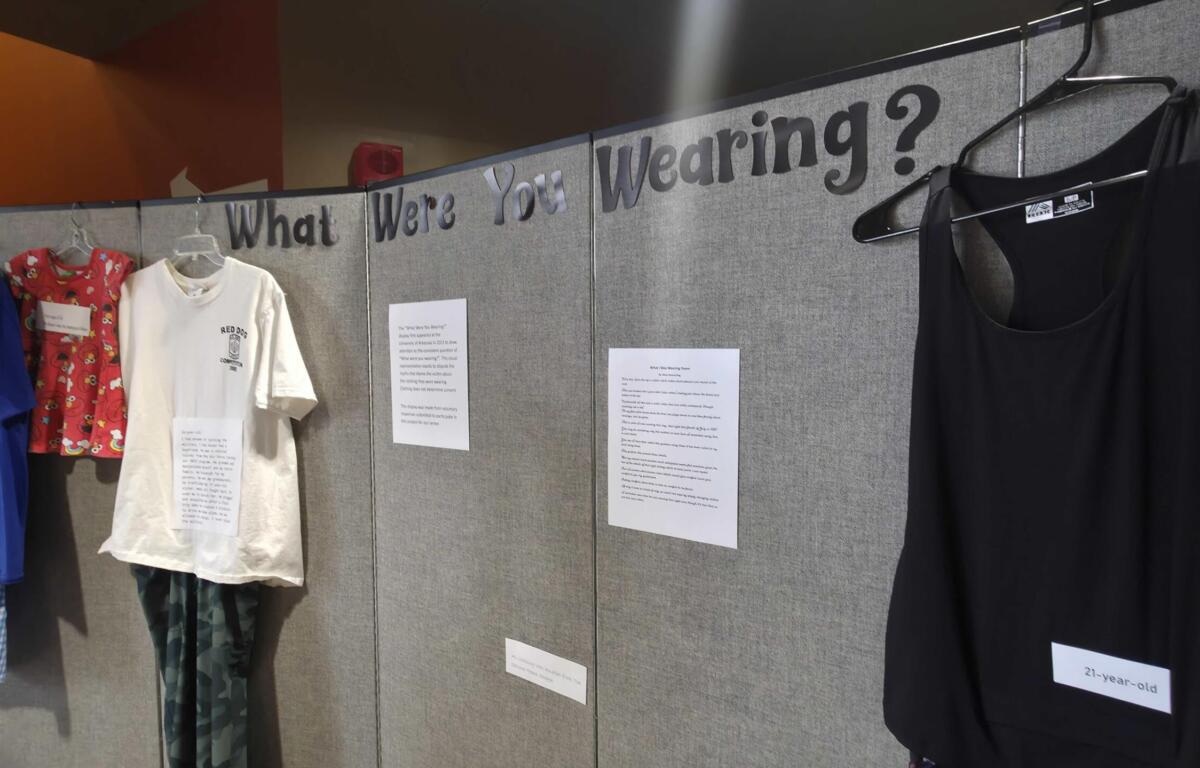
To further dispel harmful myths surrounding sexual violence, the event featured a powerful “What Were You Wearing” wall. The display showcased outfits mirroring what victims were wearing at the time of their assaults, accompanied by notes detailing their age, the nature of the incident, and who the perpetrator was.
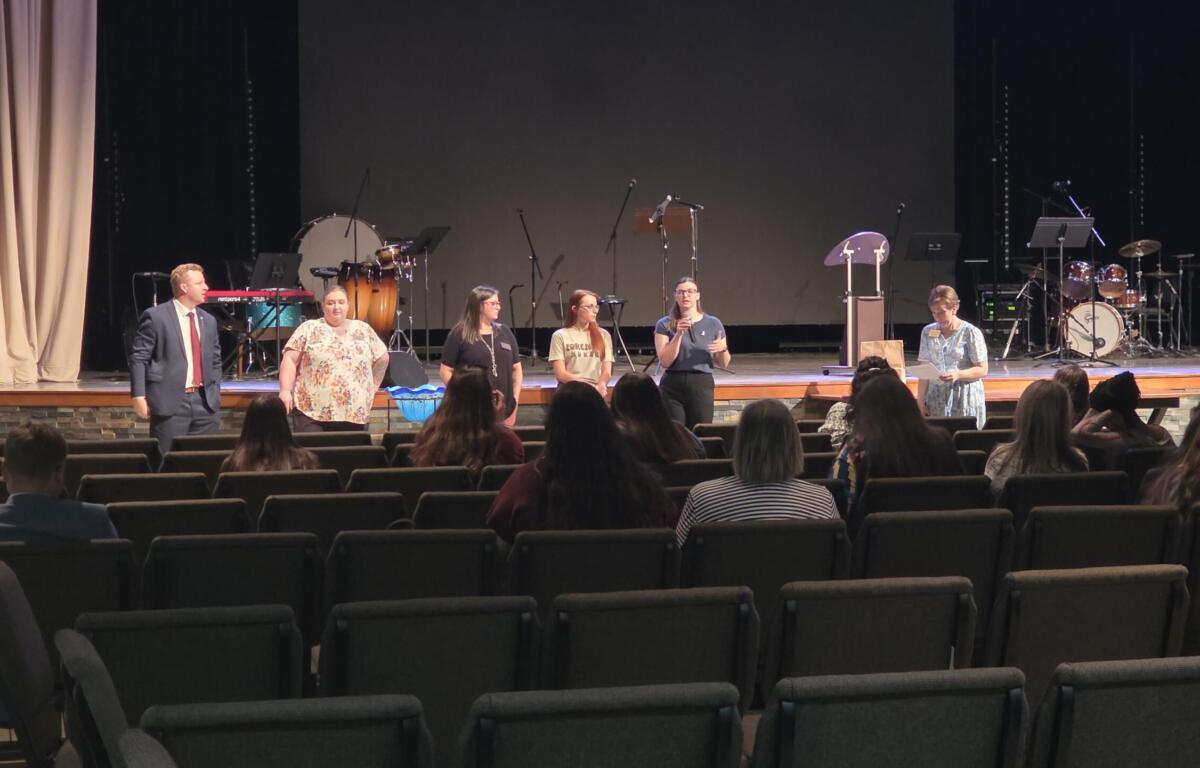
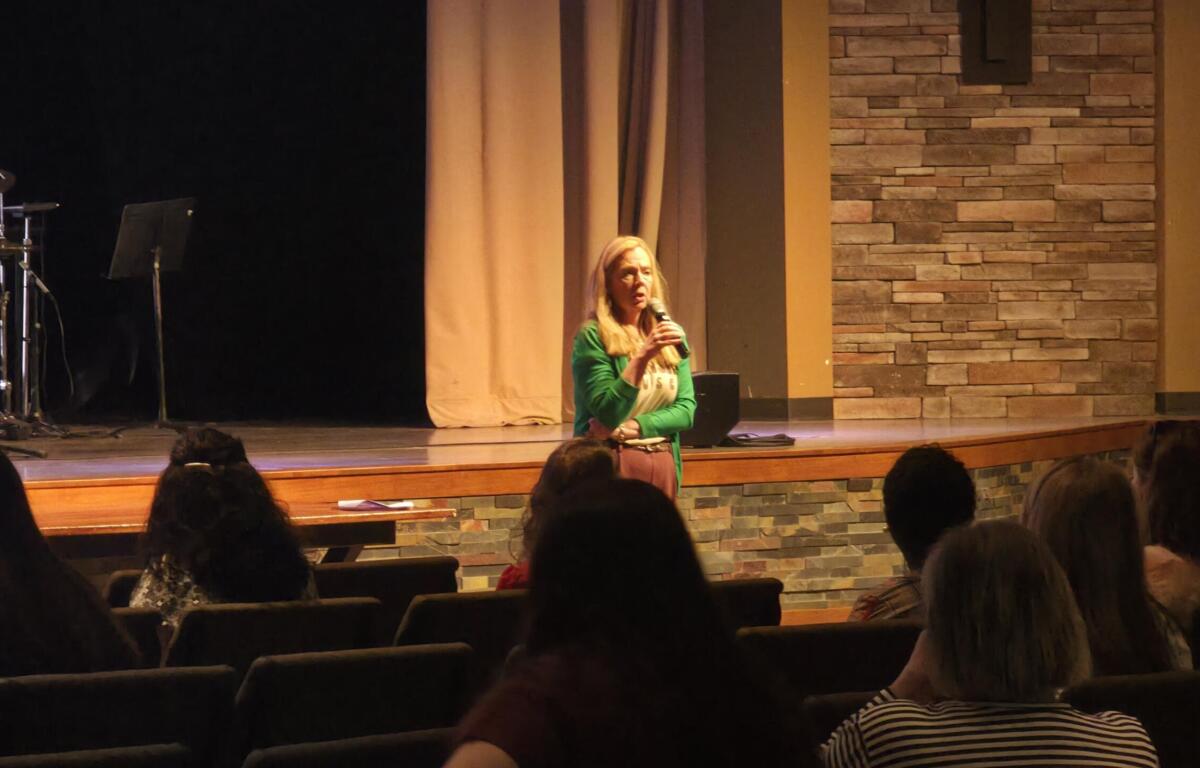
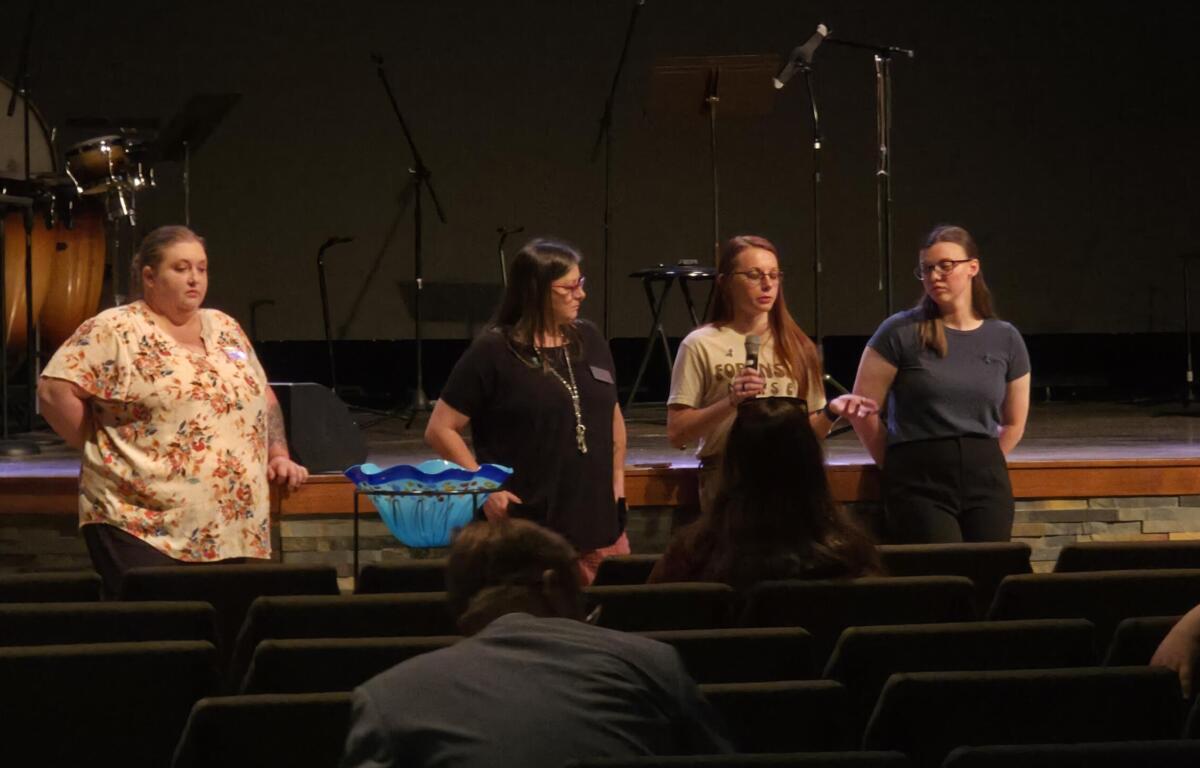
For FCC Executive Director Casey Kidd, bringing these viewpoints into one room is a vital step in bridging gaps in the current system and improving resources available to survivors. She highlighted the recent addition of a soft interview room at their administrative office as an example of this collaboration.
“That just kind of helps with a victim not having to tell their story over and over,” Kidd explained. “Police can all be there when it’s taking place, and then they don’t have to continue going and reporting that.”
When asked what a truly trauma-informed community looks like in practice, Kidd emphasized giving control back to the survivor.
“It means sitting down with them and asking, ‘What do you need? How can we help you to meet the goals that you have?’ It allows them to take that ownership and, maybe for the first time in a long time or forever, to be able to make a decision about their life,” Kidd said.
In everyday practice, panel experts emphasized the critical importance of the community’s initial response. One of the experts noted that support starts by believing in creating a safe space, reminding attendees that “we’re not entitled to their story” in order to help them.
Holt echoed this, explaining that trauma-informed care means ensuring “we are not adding to their trauma, we are removing it, and we are being able to let them know that they are not alone.”
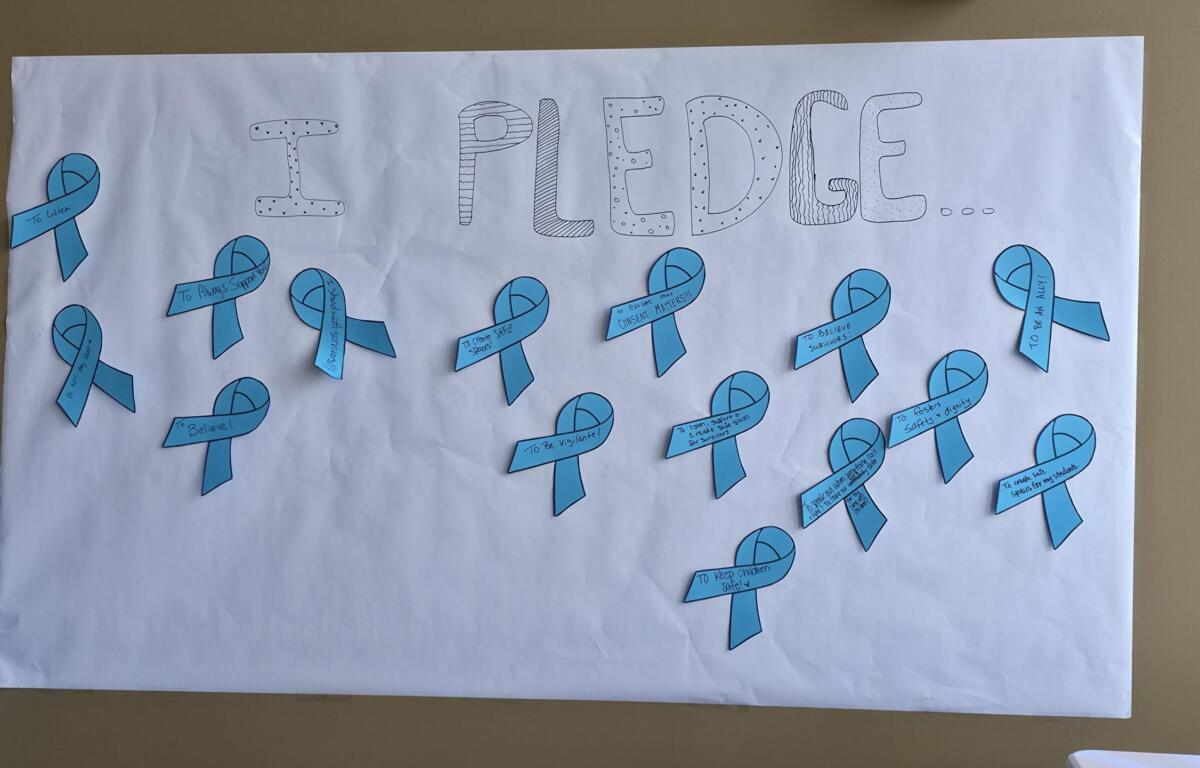
To put these coordinated efforts into action, attendees were invited to write on blue ribbons to hang on a pledge wall. The ribbons displayed personal commitments to sexual assault awareness, with some examples including “to educate that consent matters” or “to believe survivors.”
Holt stressed the importance of residents being aware of resources, such as the FCC hotline or hospitals, to guide victims in the right direction.
While progress is being made across local systems, significant hurdles remain for the organizations doing the groundwork. Kidd explained that funding has been a major challenge, noting that demand for services is only increasing.
“That would be where the main gap would be, is to continue to bring awareness to our state and federal delegation how important funding is for programs like ours,” Kidd said.
Despite these hurdles, the seminar’s overarching message remained one of hope and an active, unified front. The FCC itself is actively building on this momentum, having celebrated the grand opening of its Sexual Assault Support Services center the prior day.
“The support that we’ve gotten from the community is absolutely incredible,” Holt added, reflecting on the turnout for both the seminar and the grand opening. “People are asking questions today, they are wanting to learn more, because they see the problem and they want to make that difference.”
“We don’t host events just to host events; these events mean something,” Kidd said. “These are really areas where we can build the foundation and to partner with more people in the area.”
If you or someone you know is experiencing domestic violence, sexual violence, and/or human trafficking, contact the center’s 24/7 crisis hotline to speak with an advocate at 870-933-9449 or visit the Family Crisis Center website for more information.
| DAILY BRIEF: Sign up for the Jonesboro Right Now Daily Brief Newsletter