


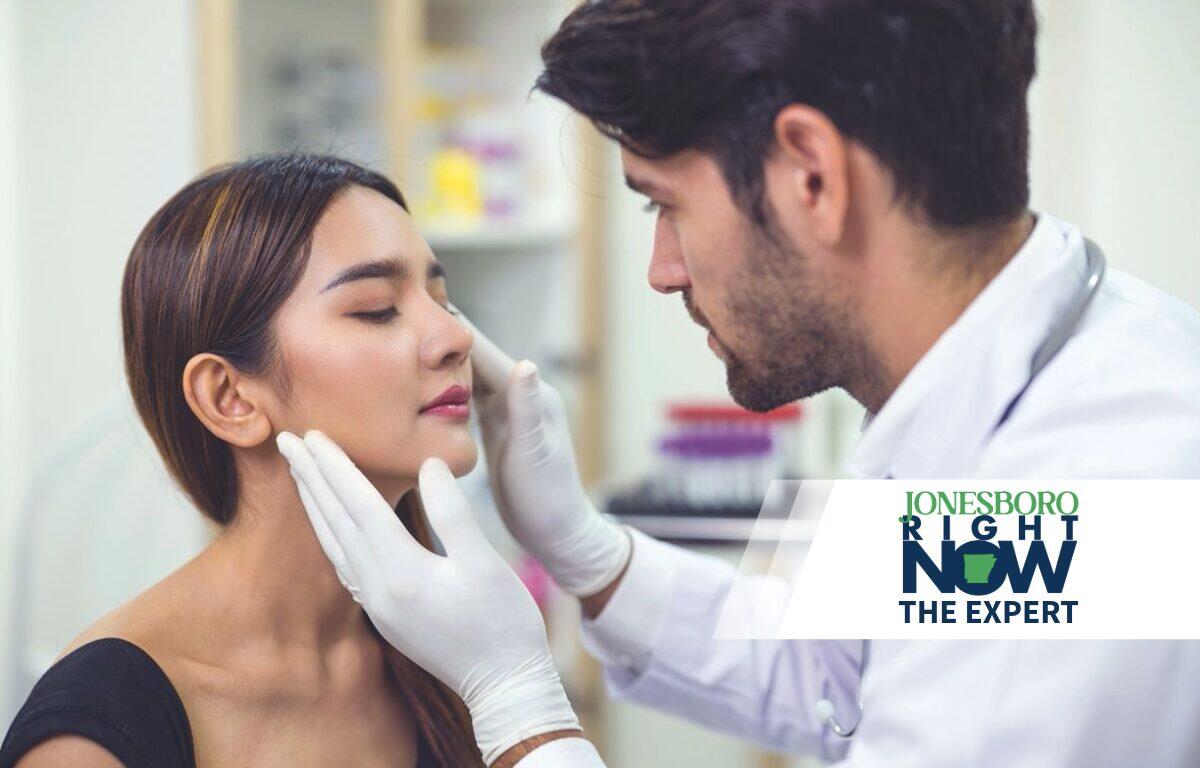

Jonesboro, AR – JonesboroRightNow.com – We, in Northeast Arkansas, face unique risks to our skin due to high sun exposure from outdoor work and recreation.
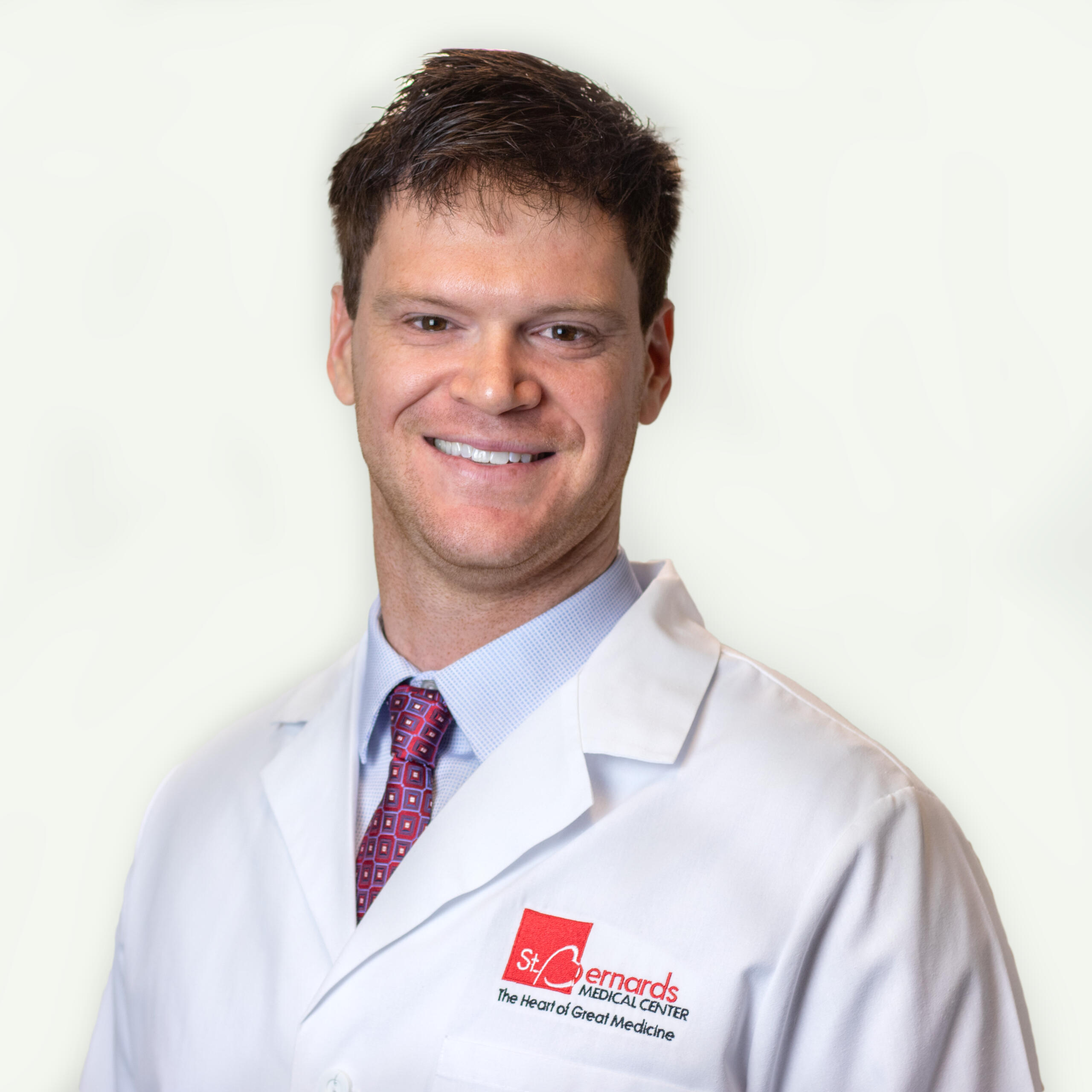
Dr. Colton Nielson with St. Bernards Dermatology Procedure Center is a double-board-certified dermatologist and the only fellowship-trained Mohs surgeon in northeast Arkansas. He answers questions about skin and how we can keep ours healthy and youthful.
What is skin, and how does it protect us?
Skin is your body’s largest organ. It serves as a barrier that protects you from heat, light, infection, and injury. It also helps regulate your body temperature and stores water and fat. Because it takes so much of the brunt from the environment, it often gets damaged over time.
Does skin damage only happen after a sunburn?
No. Sunburns are a severe type of skin damage, but not the only one. In a sunburn, skin has reached the point where it cannot handle the amount of sun it is receiving, killing skin cells. They have to regenerate, and you experience pain, redness, scaling, peeling, and other symptoms. Overall, your skin accumulates sun damage when it’s not protected from UV rays. Long-term exposure can cause wrinkly, sagging skin, even without sunburns. Worse, it can lead to skin cancers.
How common is skin cancer?
One in five Americans will develop skin cancer by age 70. Of those cancers, we primarily treat basal cell cancer, squamous cell cancer, and melanoma. Basal cell cancer is the most common and usually stems from childhood sunburns. Squamous cell is the second most common skin cancer and is typically caused by cumulative/chronic sun exposure over many years.
Squamous cell cancer can be aggressive and can spread to other parts of the body if left untreated. Melanoma is the most dangerous form of skin cancer. It accounts for only one percent of all skin cancers but causes a significant portion of skin cancer deaths. As with all cancers, early detection is critical.
What does skin cancer look like?
Skin cancer can present differently depending on the individual and the type of skin cancer. In general, keep an eye out for any new lesions that are red, scaly, growing, or changing in any way. Although some skin cancers can be completely asymptomatic, the most common symptoms are itchiness or pain. When in doubt, always schedule an appointment with a board-certified Dermatologist.
| ADD US ON GOOGLE NEWS: Click here to see more local news from Jonesboro Right Now
For melanoma and abnormal moles specifically, I recommend following the “ABCDE Rule.” Look for Asymmetry, irregular Borders, multiple Colors, and a Diameter larger than six millimeters. The last factor is Evolution. If a spot changes, you need to see a board-certified Dermatologist or qualified professional. I also tell patients to look for the “ugly duckling sign.” A mole that looks different from all others is a red flag.
What is Mohs surgery?
Mohs micrographic surgery is currently considered the gold standard treatment for skin cancer. It provides the highest cure rate, up to 99 percent, for a previously untreated skin cancer. During the procedure, I provide margin control for the skin cancer to ensure we have clear margins.
The benefits are that we keep the surgery as small as possible, removing only cancerous cells while leaving normal skin tissue intact. You also know the margins are clear on the day of surgery, which provides peace of mind. We can then surgically repair the area the same day, helping you heal faster and better.
Can Mohs surgery treat melanoma?
Yes, but not always. We successfully use Mohs for certain melanomas, often achieving clear margins in these specific cases. Mohs is especially helpful on the face or neck, where we want to preserve skin. St. Bernards Dermatology Procedure Center is the only location in northeast Arkansas where we can perform same-day Mohs surgery to remove all melanoma and repair the area the same day.
What’s a good sunscreen?
I recommend daily applications of products that use a physical blocker, such as zinc or titanium dioxide. Look for those two ingredients. I recommend SPF 50-70 sunscreens for maximal protection. Don’t forget to reapply every 60-90 minutes as needed!
I have dark skin. Am I at risk for skin cancer?
Yes! I’ve seen skin cancers in every race and ethnicity. While it’s true that your risk is much higher for skin cancer the fairer your skin tone, every person—regardless of their background—should protect themselves from the sun. Family history of skin cancer also increases your individual risk of developing it.
What do I do?
Do not avoid the sun! You can go outside daily, and I recommend it. Just remember to protect yourself from the sun and be smart about your exposure. When possible, apply SPF 50-70, wear a hat and sunglasses, and consider UPF-protected clothing.
Remember, the most damaging rays occur daily from 10 a.m. to 4 p.m., and it’s possible to get sun damage if the sun doesn’t shine directly on you. Skin cancer often takes many years to develop. I recommend yearly dermatology check-ups for everyone with a family history of skin cancer or who is concerned about their skin, starting at age 30 to 40. It’s always better to stay on top of potential skin issues before they become problems.
To request an appointment with our expert dermatology team at St. Bernards, click here.
| DAILY BRIEF: Sign up for the Jonesboro Right Now Daily Brief Newsletter