


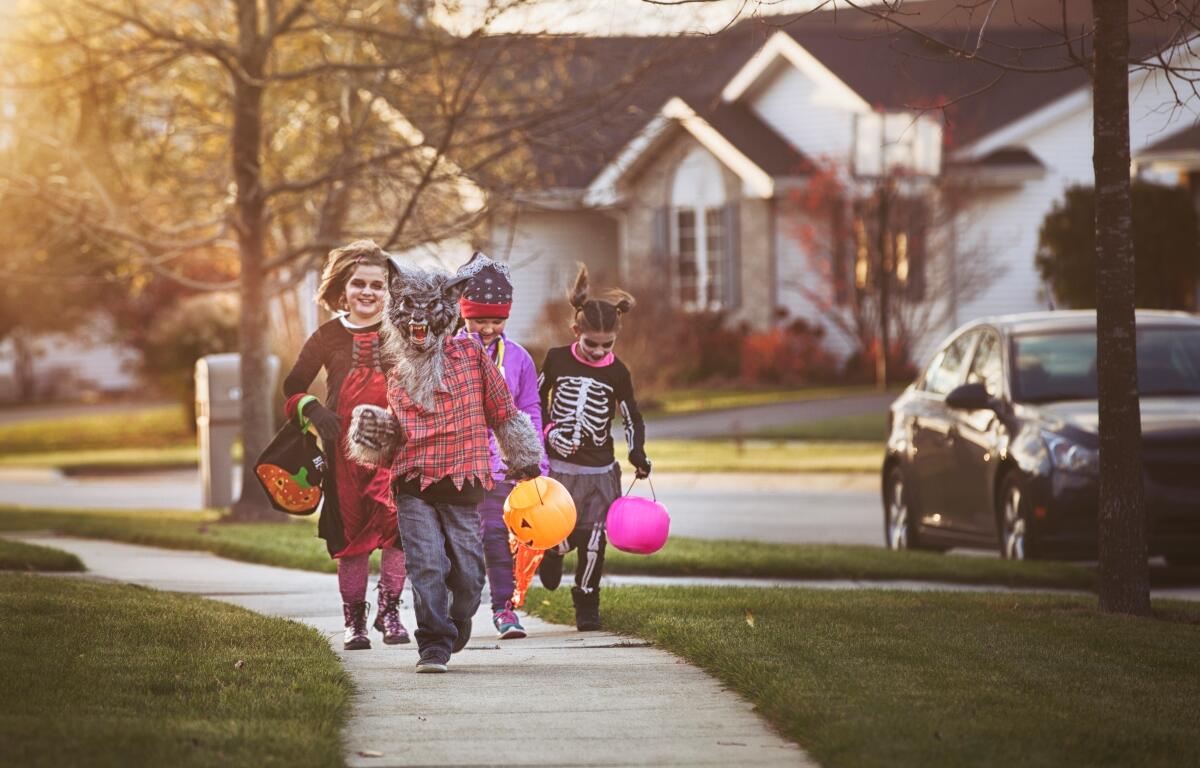

FALL GUIDE – Jonesboro Right Now – Halloween is a fun time of the year. Free candy, costumes, and of course, trick or treating!
Before heading out, here are a few tips to make sure your Halloween is safe for all involved. (As a note for any adults who may be heading out to party, make sure you have a safe way to get back home. Set one person as a designated driver or call a rideshare service if you’ve been drinking.)
General Safety Tips:
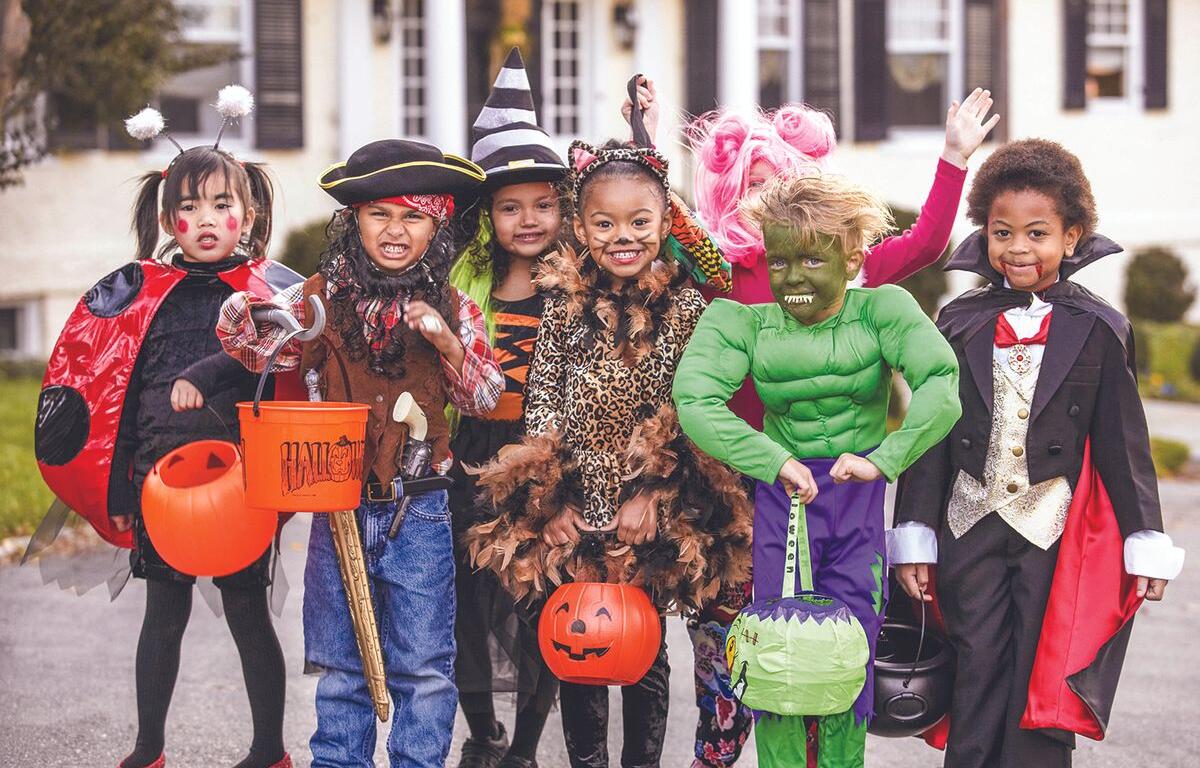
Trick-or-treat in groups:
Children are safer in numbers due to the increased visibility of a crowd and because, if something happens, others can call for help. Parents can use their discretion on what age they feel is mature enough to let children go out alone. Until then, children should be accompanied by adults.
Improve visibility:
It’s important to be seen while trick-or-treating, and that can be achieved by making sure costumes and trick-or-treat bags feature reflective tape. Trick-or-treaters also can carry flashlights or glow sticks to improve visibility, and stick to areas with streetlights if going out after dark.
Stay on sidewalks:
Whenever possible, trick-or-treaters should stick to the sidewalks and avoid walking on the roads. This may not always be possible in neighborhoods without sidewalks, where parents and youngsters must be especially careful.
Eat before trick-or-treating:
A meal or snack before trick-or-treating can reduce the tendency to fill up on candy while out and about. All candy and other treats should be inspected by an adult before it is eaten.
Costume safety:
Avoid masks that obstruct vision. It can be hard to see peripherally with a mask on, so avoid costumes with masks that compromise vision.
In addition, costumes that drag on the ground can be tripping hazards, which could lead to injury. Ensure all costumes do not cover the feet or drag on the floor.
If your child’s costume involves makeup, test for any allergic reactions beforehand. Heed all warnings on packaging, and avoid putting makeup too close to your child’s eyes or lips.
Additional Safety Steps Parents Can Take:
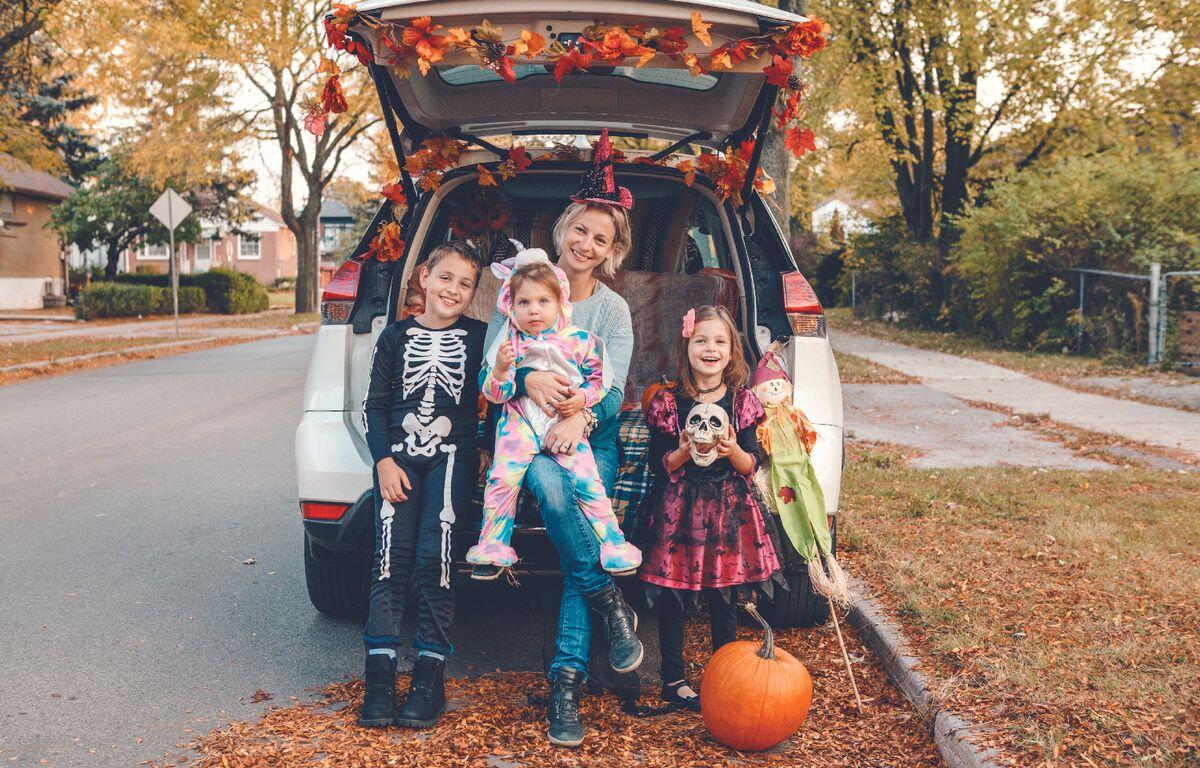
Set up safe trick-or-treat zones:
The popularity of trunk-or-treat events that emerged several years ago took some of the risk out of Halloween by containing trick-or-treating to a parking lot at a school or church. Neighbors can establish something similar close to home by petitioning the town for permits to close a specific road or roads to vehicular traffic for a “block party” of sorts.
Residents in the area can trick-or-treat and party in the street without risk of injury from cars. Ask participating neighbors to chip in for refreshments and entertainment, if desired.
Check candy:
There is a risk of eating candy without thought, but that risk is now primarily related to food allergies. The United States Department of Agriculture estimates that, each year in the U.S., allergic reactions to food results in 30,000 emergency room visits, 2,000 hospitalizations, and 150 deaths.
Common allergens include peanuts and other nuts as well as eggs and dairy. Others may be intolerant to ingredients like gluten or soy. Inspecting candy nutrition information can help weed out candy that may cause a reaction for those with food allergies or other concerns.
Prepare homes:
Adults and parents can take additional steps to prepare their homes for Halloween. Keep the porch and front yard clear of tripping hazards, such as garden hoses, decorations and toys.
Sweep away leaves and branches to prevent tripping or slipping. Restrain pets so they do not jump on trick-or-treaters. Offer a variety of treats for kids of all ages so trick-or-treaters get age-appropriate items.
Safety Tips for Pets on Halloween:
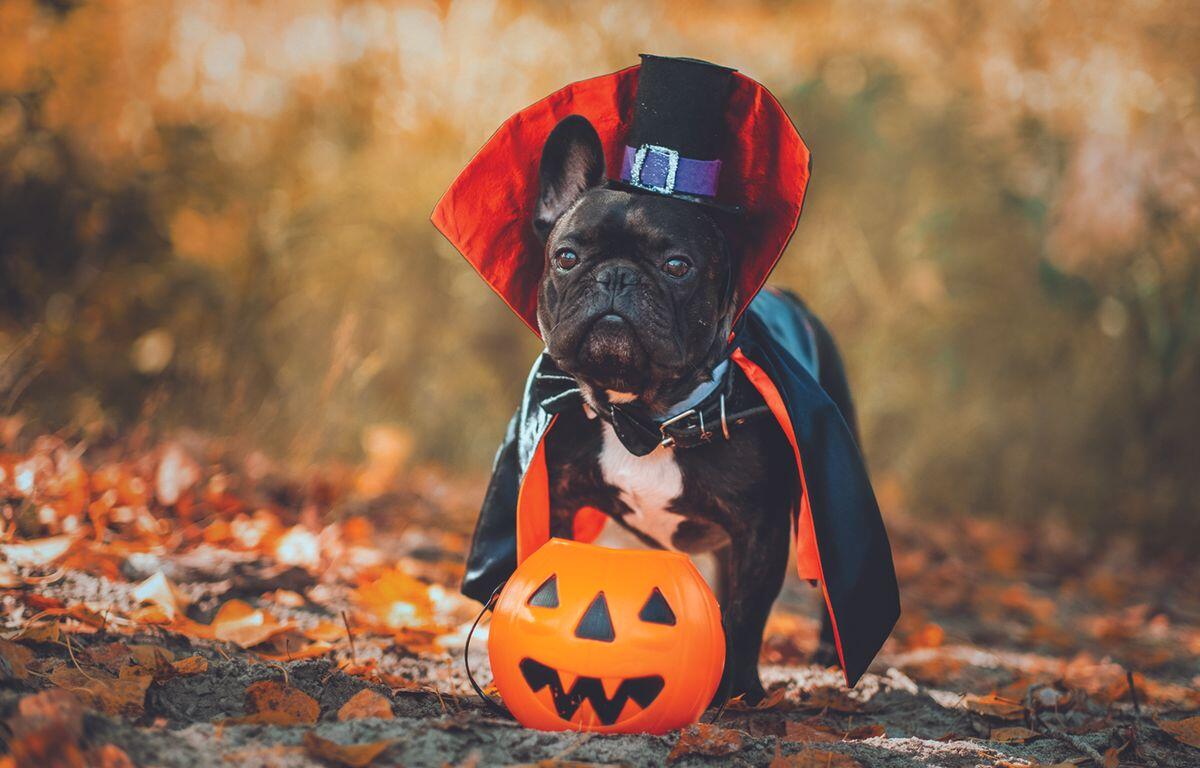
Costumes:
Pet costumes are popular and can help owners and their pets coordinate for Halloween. Some pets may find costumes uncomfortable or frightening.
For those with a mind toward creative costume coordination, introducing the costume to the pet slowly and gradually can help ease the transition.
Allow the pet to sniff the costume and put treats nearby to indicate it is no threat. If the pet simply will not warm to the idea of a costume, it’s best not to force the issue.
Glow sticks
Glow sticks are a safe way for children to enjoy some spooky fun on Halloween night and become more visible when the sun sets. But those glow sticks may be attractive to pets and they can bite them, ingesting the liquid.
The ASPCA Animal Poison Control Center says typically pets experience a mild and self-limiting taste reaction to glow stick liquid. Wiping off the excess with a damp cloth to help prevent the pet from licking again and having another reaction can help.
Accessibility to candy
One of the biggest Halloween dangers for pets is the accessibility of candy, especially chocolate. Chocolate is toxic and particularly dangerous to dogs. Chocolate with high amounts of cacao is especially dangerous.
Raisins and gum with the artificial sweetener xylitol also are problematic. Candy wrappers can get stuck in the intestinal tract and cause a life-threatening blockage.
Lock candy away so pets can’t get into it.
Nerves
Many youngsters will ring the door bell on Halloween. Anxious pets, and even those that normally aren’t nervous with visitors, may be overwhelmed.
Keep pets in a dark, calm room away from the door to reduce anxiety and make it less likely skittish pets will escape the home and get lost.