



Jonesboro, AR – Jonesboro Right Now – City Water and Light (CWL) of Jonesboro celebrated its 120th anniversary this month, and changes are coming as the company looks to the future.
CWL, founded on July 1, 1906, was established following a $236,000 bond issue that funded the purchase of electric and water systems and the construction of sewer systems. Now, over 120 years after its founding, the municipal utilities company is investing in new forms of energy.
| ADD US ON GOOGLE NEWS: Click here to see more local news from Jonesboro Right Now
“We’ve seen good, steady growth in the 120 years. Jonesboro continues to grow. With that, there are great opportunities. Over the course of our utility, there have been some really critical points,” said Slade Mitchell, energy marketing administrator for CWL. “Now, we find ourselves at another transition time.”
Past
Operating a small electric system in the 1940s, CWL established a limited connection to Arkansas Power and Light’s high-voltage transmission system in 1947. Another major upgrade came in the 1960s, when CWL constructed a 36-mile transmission line to Pocahontas in order to connect with the Southwestern Power Administration. By 1971, CWL received most of its power from Southwestern Power Administration.


Photos courtesy of CWL
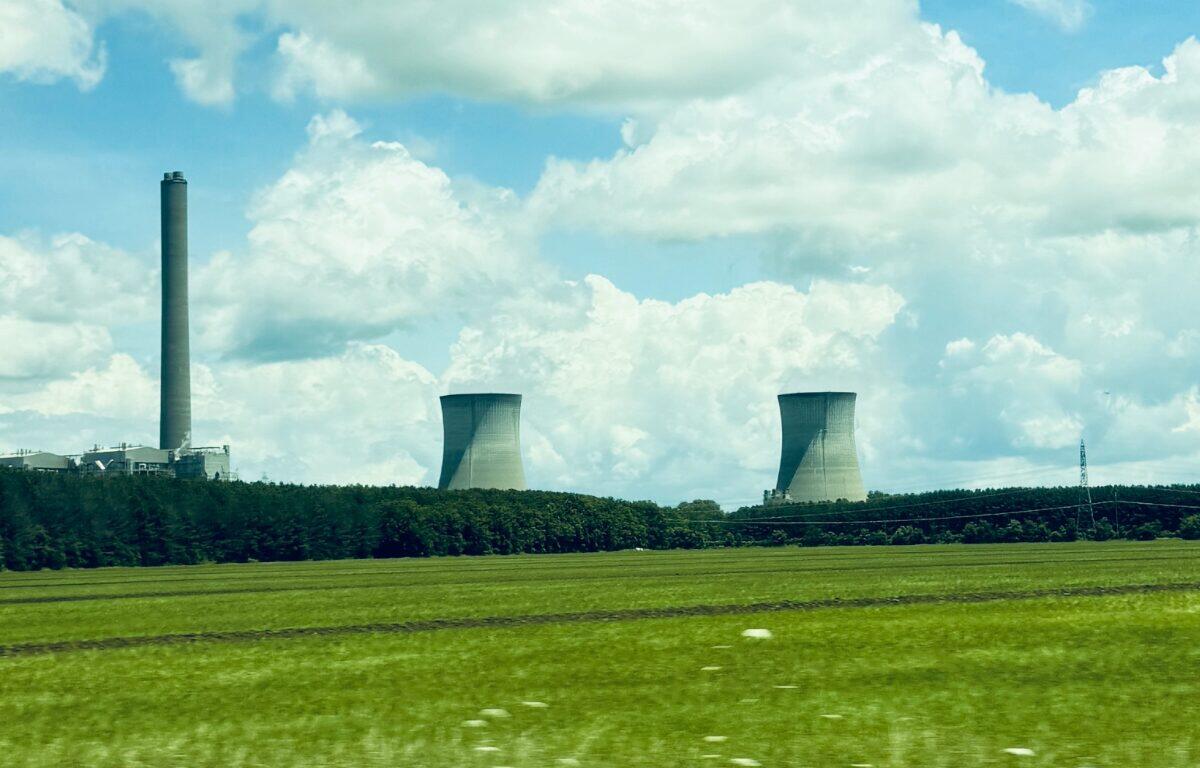
In the late 1970s, CWL became a 5% co-owner of the White Bluff Coal Plant near Redfield and the Independence Coal Plant near Newark, with Arkansas Power and Light and others as co-owners. These coal plants became commercially operational in the early ’80s.
However, following a legal settlement with the Sierra Club and the National Parks Association, approved by the Arkansas Department of Environmental Quality and the Environmental Protection Agency, coal use at the White Bluff Coal Plant and the Independence Plant is to cease.
The settlement, finalized in 2021 after a 2018 lawsuit, not only required the retirement of the two coal plants but also required Entergy to retire a gas plant at Lake Catherine by the end of 2027 and to increase jobs in renewable energy in Arkansas, according to reporting from Arkansas Money & Politics.
A report from the Arkansas Democrat-Gazette said the lawsuit followed environmental groups’ accusations that Entergy violated the Clean Air Act.
The settlement allows the plants to continue their operations through 2028 for White Bluff Coal Plant and 2030 for the Independence Plant without installing emissions controls. CWL says installing these controls would cost nearly $200 million, and the plants themselves would need to run for another 30 years to recoup costs.
Present
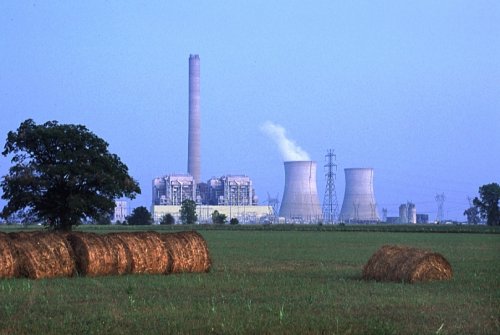
In response, CWL, in partnership with Arkansas Electric Cooperative Corporation and others, will construct a new high-efficiency combined-cycle (HECC) plant at the Independence plant site. The HECC plant will be a natural gas plant that uses exhaust heat to generate additional power with no extra fuel or emissions. Other partners in this agreement include Conway Corporation, the City of West Memphis, and East Texas Electric Cooperative.
CWL says this HECC plant will generate power more cheaply than coal plants and emit less. The plant will cost $2.6 billion in total, according to a report from Construction Review. It is expected to enter service Jan. 1, 2031, right after the Independence Coal Plant ceases operation.
As for the White Bluff Coal Plant, Entergy announced plans to convert it to burn natural gas, according to the Arkansas Democrat-Gazette.
“Everything that we’re planning for now, we have been planning for some time, and we’re ready for it. The coal plant retirement, we’ve been preparing for this for almost a decade,” Mitchell said. “This opportunity that we have is such a great one, and we’re getting in at such a good time, really, before the rush. I think this resource is going to slide right in to where coal has been for our customers, and I believe it’ll provide the same benefits we’ve seen from the coal plants going forward.”
CWL will own about 15.4% of the plant and will be responsible for funding $350 million over the next five years for its share of the project. Mitchell said CWL will be able to pay down $100 million, with the remaining $250 million to be funded through rate adjustments. CWL has not had a rate adjustment in 42 years.
Mitchell explained to JRN that the adjustments will be made over a multi-year period, likely three to four years, to minimize impacts to customers. A cost-of-service study is underway, which Mitchell said would be completed in the coming weeks.
“[We’ll] have a better idea of what those exact impacts will be. We’re looking at it by classes there,” he said of the study. “We have a residential class, commercial class, industrial class, and how the rates for those different classes will be affected.”
Following the study’s completion, it will be taken to CWL’s board for approval at its August meeting. Provided the board approves it, rate adjustments would likely begin Jan. 1, 2027, Mitchell said. Exact increase amounts are still unknown, he added, with that information pending completion of the study.
To inform customers of the upcoming change, Mitchell said CWL would be disseminating information starting next month, explaining CWL’s history and the benefits of the HECC plant transition.
Future
As CWL heads to the future, it is looking into and investing in low-emission energy resources. It already operates a 10-megawatt solar park in the Industrial Park, which began operation in 2022. It also began a power purchase agreement with NextEra Energy in 2023 for 40 megawatts of the Big Cypress Solar Project in Crittenden County.
“We actually have purchased property in the city with the idea of, when the economics are right, potentially more solar. The economics, right now, just aren’t quite there,” Mitchell said.
He added that CWL was looking into more renewable or low-emission energy options, such as wind power, battery storage, and even small nuclear reactors. It also has an 80-megawatt capacity, energy, and transmission service allocation with the Southwestern Power Administration’s hydro power plant, another essentially emission-free resource that CWL has used since the 1960s.
“We’re very pro-diversity in terms of our generation portfolio,” Mitchell said. “We’re going to keep our eyes open as economics improve and technologies continue to emerge.”
| DAILY BRIEF: Sign up for the Jonesboro Right Now Daily Brief Newsletter