



Jonesboro, AR – (JonesboroRightNow.com) – With winter fully set in, it is important to take time to make sure your home and plumbing system are prepared for harsh temperatures.
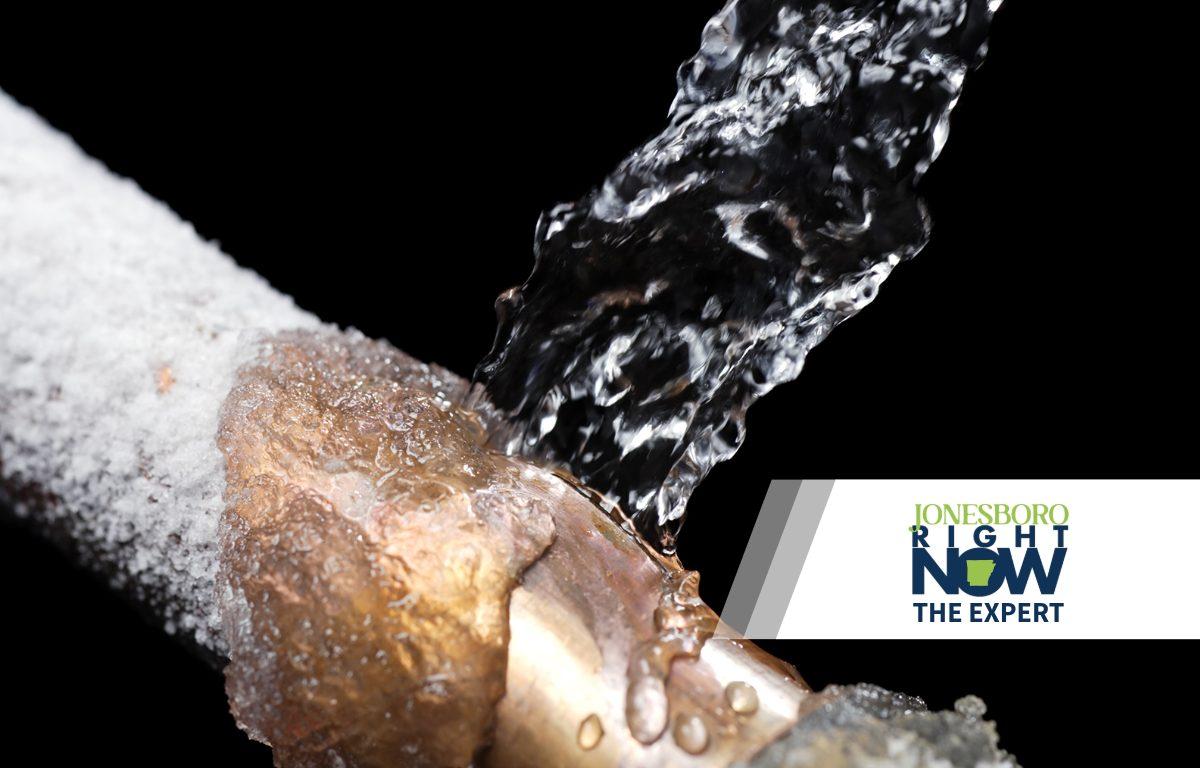
Frozen pipes can eventually burst and cause major damage to your home. In many cases, the damage is unavoidable; on the other hand, some cases are avoidable.
Here are some tips that might help you:
1. Disconnect your hoses.
2. Cover your outside hydrants.
3. Crawl space vents should be closed or covered with foam cutouts, and crawl space doors should be closed and made air-tight. Next to hydrants freezing, a crawl space door or vents left opened is one of the most common causes of frozen pipes.
4. Open cabinet doors on outside wall fixtures.
5. Don’t forget the toilet! Many homes have a toilet installed on an outside wall on a separate water line from the rest of the fixtures in a bathroom. An easy way to ensure the water line to the toilet doesn’t freeze is to be sure to flush it every few hours during harsh freezes.
If the toilet is in a bathroom you never use, place a toothpick under the lip of the flapper, causing it to seep, which will in turn cause the toilet to fill every few minutes. This is the equivalent of letting a faucet drip.
6. Vulnerable fixtures near freeze points/outside walls may need to be run at a small stream on the cold AND hot sides of the faucet. If you have a single lever faucet, just put the handle in the middle and achieve a trickle. A “trickle” is a small stream about the size of a pencil lead.
NOTE: We have seen drains on outside walls and above garage ceilings freeze shut and cause water from a trickling lavatory to flood out of the sink. Any faucet left dripping should be monitored closely to prevent a backup causing flood damage.
7. Garage doors should remain shut while temperatures are below freezing. This is critical when you have a water heater in your garage or plumbing adjacent to a garage. At a minimum, this helps your home keep up with the heat demand.
8. Do you have a bathroom over a garage or next to a walk-out attic? Many two-story homes will be at risk due to baths over the garage and baths with plumbing adjacent to walk-out attics when no steps are taken to avoid freezing.
9. Do you know how to turn your water off? During a major freeze event, knowing this information can be the difference between a little clean-up and a disastrous flood.
On top of this, plumbers are in high demand during major freeze events, and it is very likely they may not be able to dispatch out immediately to shut your water off, leaving you with a flood.
10. Place a tub or tote over your water meter BEFORE any snow or ice accumulations. It’s hard to find a water meter buried under 6” of snow!
Usually, when we have winter weather, we have dangerously low temperatures to go with it, and access to the water meter is critical. Place a weight on top of the tote to prevent it from blowing away.
11. Many people only live in and use part of their home. Keep the heat up on the whole thing during freeze events. Monitor those areas for water flow.
12. If you lose water to a fixture or a section of your house, it means you have a frozen pipe. If it can be thawed out within a few hours of detecting it, damage may be avoided. Step one if this happens is to get to your water meter and either shut off your water or be ready to.
NOTE: Never use a flammable source like a torch or propane heater to try to defrost a frozen line. Every year across the US, homes are destroyed in house fires because of improper use of these tools, attempting to defrost water lines. A hair dryer is a much safer option and still effective at warming frozen lines.
For more information, check out the video below, which has helpful freeze prevention tips from Chris West Plumbing.
The Chris West team is ready to solve the unsolvable. Reach out to us for all of your plumbing needs to ensure the job is done right. Click here to access our website, email us at customer@chriswestplumbing.com, or call (870) 931-9634.