


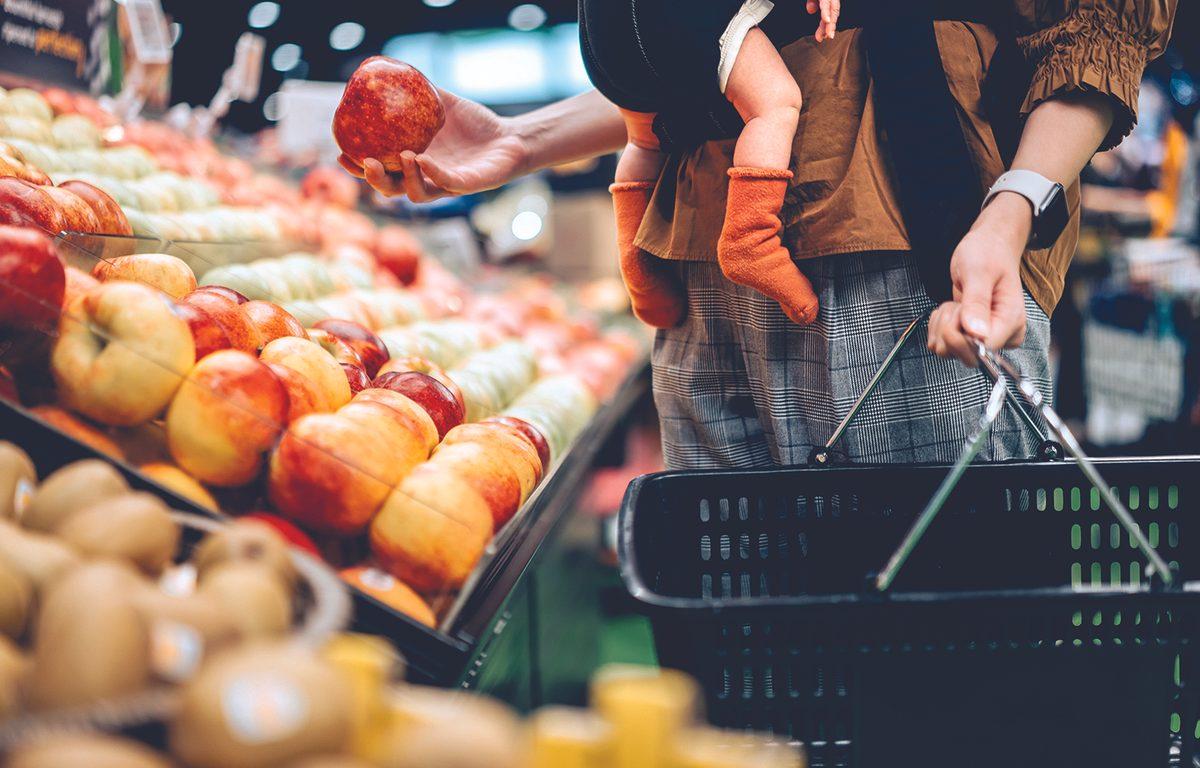

Jonesboro, AR – JonesboroRightNow.com – A new study reveals that for Northeast Arkansas families, the trip to the grocery store is taking a bigger bite out of their budget than ever before.
According to data released Feb. 12 by WalletHub, Arkansas ranks third in the nation for the highest percentage of income spent on groceries. The study indicates that the average resident is spending about 2.44% of their income just to keep the fridge stocked.
The strain is perhaps most visible at the Food Bank of Northeast Arkansas, where demand surged last year.
Jennifer Hannah, chief program officer for the food bank, told JRN that the organization served 23,747 households in 2025, a nearly 13% increase from the previous year. She added that they served 54,969 people in 2025 versus 48,782 in 2024.
The “Meat” of the Problem
While the state of Arkansas recently eliminated the grocery tax to provide relief thanks to House Bill 1685, Jonesboro shoppers continue to face issues.
JRN conducted a Facebook poll, asking readers what items they have left off their list due to rising prices at the grocery store. Overwhelmingly, meat/beef was cited as the first item cut from their lists recently.
This isn’t a coincidence, as the local frustration falls in line with the current conditions of the market. According to the U.S. Department of Agriculture, as of Jan. 1, U.S. cattle inventories have dropped to 86.2 million head, the lowest level since 1951.
“Beef would be the number one commodity right now that is difficult for low prices,” said Michael Adler, co-owner of The Truck Patch. “A year ago, it was eggs. Who knows what it will be next year?”
Local butchers say the sticker shock at the counter starts all the way back at the farm.
“I think meat prices stay high due to the high cost of everything, including fuel, feed, labor,” said Maddie Chavers, co-owner of Big Daddy’s Meats and More. “It is very expensive to own and raise cattle. You have to feed and care for them, and that is not cheap.”
For those craving a steak without the ribeye price tag, Chavers suggests looking for value cuts.
“Sirloin tends to be more of a value cut if you are wanting a steak,” Chavers said, adding that pork and ground beef remain strong options for feeding a family on a budget.
The Impact
For some residents, high prices have brought on changes to their eating habits.
“I personally have gone back [to] plant-based so we don’t have to buy as much meat,” said resident Jayme Buckley on the Facebook poll. “Tofu is $1.50 at Aldi. I’m good.”
But for others, the inflated prices are a health hazard.
Katie Wilson told JRN the cost of managing her diet as a diabetic has skyrocketed. She explained that specialized low-carb foods, like keto-friendly bread, can cost “two to three times” the price of standard items.
“I work as a pharmacy tech and have seen diabetics have to choose whether or not to take their medicine,” Wilson said, highlighting the difficult trade-offs some residents face between the pharmacy counter and the checkout line.
Other residents are trading time for money to beat inflation.
Mary Katherine McCauley, a mother of two, said rising costs forced her to get creative with her budget. She switched to making her own non-toxic cleaning supplies using vinegar water, a move she claimed has slashed her cleaning costs by over 90%.
“A 64-ounce container of Great Value distilled white vinegar is $2.97 versus the approximate $4 to $5 I was spending on just one bottle of multi-surface cleaning,” McCauley said. “The whole bottle of vinegar can make eight bottles of homemade solution.”
McCauley also has a digital strategy to find the best meat prices, comparing apps from Walmart, Kroger, and Aldi every week before she shops.
“I have found that chicken prices are nearly the same, but beef is significantly cheaper at Sam’s with Aldi being [the] next cheapest,” she noted.
Stretching a Dollar
While prices are unlikely to drop overnight, experts say the best defense is a smarter offense.
Katrina Sellers, family and consumer sciences agent at the Craighead County Extension Office, suggests families look beyond just beef to keep protein on the table.
“Chicken leg quarters are often the cheapest overall meat option,” Sellers said, noting that “slow cooker recipes will help make the tougher cuts of meat juicy and tender.”
For those willing to experiment, Sellers suggests trying a shift in the weekly menu.
“Two or three meatless meals per week, such as lentil soup, bean burritos, or veggie stir-fry, can significantly reduce grocery bills,” she said.
Sellers also emphasized the importance of being prepared, warning that coming to the store without a plan can cause you to spend more than necessary.
To combat waste, she advises a simple first-In, first-out rule. She said, “Remember to eat food in the order it was purchased, using older items before new ones to reduce waste and ensure freshness.”