


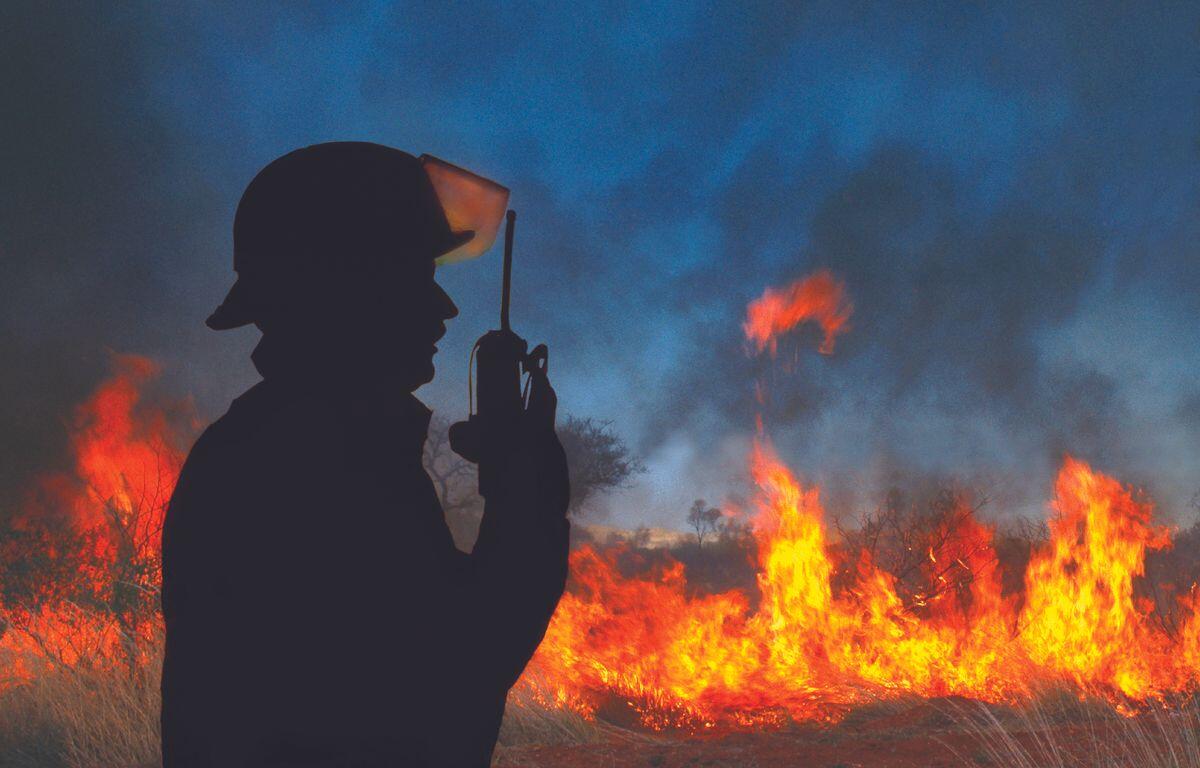

Little Rock, AR – Contributed – The Arkansas Department of Agriculture is urging Arkansans to stay alert as wildfire danger has increased significantly across the state.
The entire state has been designated at a high wildfire risk through March 29, and more than half of all counties are currently under burn bans. This elevated threat is primarily driven by above‑average temperatures, extended drought conditions, and increased winds.
| READ MORE: Craighead County placed under burn ban effective immediately
At this risk level, fires can ignite easily, spread rapidly, and become difficult to control if not addressed immediately. Unattended brush fires and campfires are especially likely to escape containment. Wildfire risk levels are determined using fuel conditions, drought indicators, and long‑range weather forecasts.
Recommended Precautions:
The Department urges all residents to take the following steps to reduce the likelihood of wildfire ignition:
- Avoid all outdoor burning and activities involving open flames, including campfires, trash burning, grilling with open flames, and prescribed or controlled burns.
- Never leave any outdoor flame unattended.
- Use caution when driving or operating machinery in dry areas. Avoid driving over dry grass, ensure trailer chains do not drag on the ground, and do not drive on flat tires.
- Properly extinguish and dispose of cigarettes; never discard them outdoors.
Fires and smoke should be reported immediately to the Department by calling 1-800-468-8834 or local authorities. Arkansans can stay informed about current wildfire conditions by monitoring the Department’s county‑by‑county wildfire map and following updates on social media.
The Department is responsible for protecting more than 15 million acres of non‑federal forestland in Arkansas. This year, forestry crews have suppressed 675 wildfires on 15,139 acres across the state, more than 40% of which have occurred in March.
Department foresters and rangers work daily to prevent, detect, and suppress wildfires, maintaining a constant readiness to protect communities and natural resources. With seven districts positioned throughout the state, crews are strategically located to ensure rapid response wherever incidents occur.