


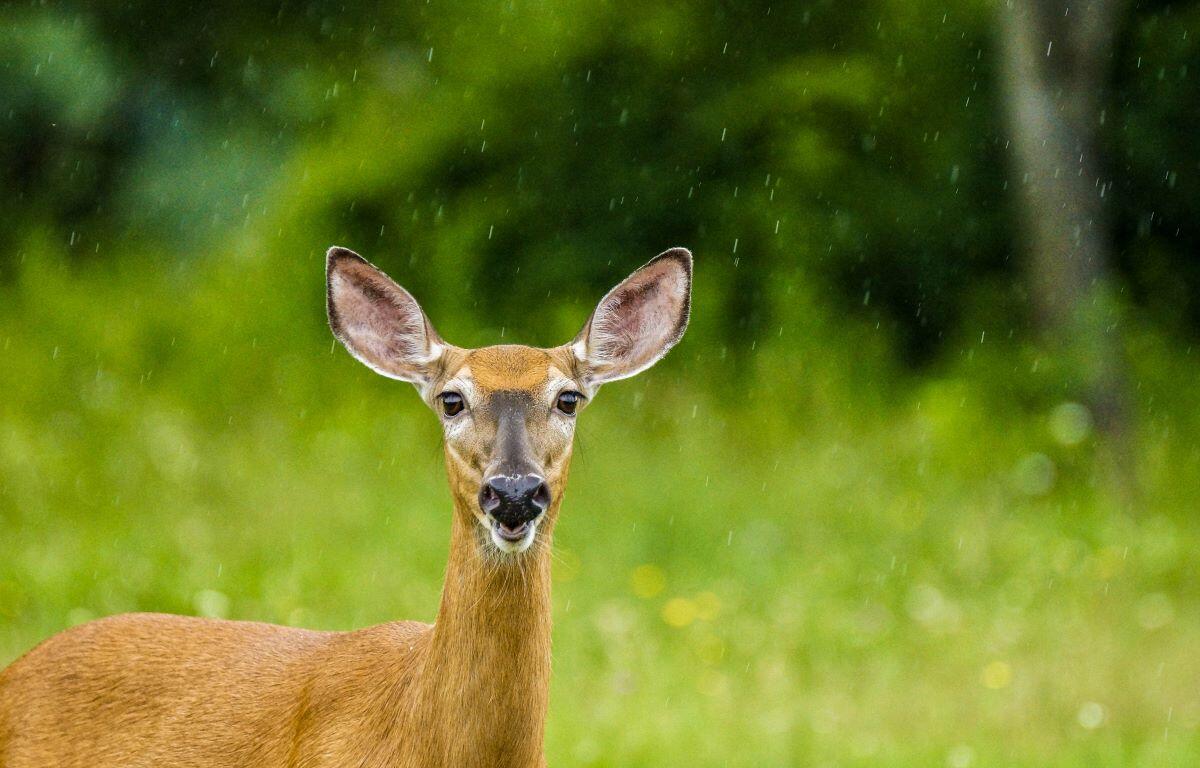

Jonesboro, AR – Contributed – Motorists and wildlife lovers are beginning to see more deer in the open, browsing at the edges of open fields and forests, prompting many questions about bare spots seen in their fur coat and ticks seen on their ears.
Some wildlife watchers are also beginning to ask how they can help protect wildlife from the possible spread of the New World screwworm, which was detected in south Texas in June. According to Arkansas’s state wildlife veterinarian, Dr. Catherine Love, the best action is to report any signs of disease in wildlife to the Arkansas Game and Fish Commission’s Wildlife Health Hotline (agfc.health@agfc.ar.gov).
According to Love, it’s just human nature to want to help, but trying to administer treatments to free-ranging wildlife is rarely effective and can cause many more troubles than it prevents.
“Wildlife are adapted to handle the normal parasite loads found in their habitat,” Love said. “At certain times of year, it may look bad, but deer and other wild animals are very resilient, and excessive parasite loads are often temporary, or a sign of a larger problem with that animal or the habitat not being adequate for the number of deer it is trying to sustain. In either case, reporting it to the AGFC’s Wildlife Health line or a local Private Land Habitat Biologist is the best first step.”
| ADD US ON GOOGLE NEWS: Click here to see more local news from Jonesboro Right Now
Although topical and ingested treatments are available for livestock, land managers do not have the control necessary to regulate the dosage any wild animal would receive.
“You’re leaving the deer to self-medicate, which will lead to some not getting enough and others getting too much,” Love explained. “Dominant adult males often overconsume the treatment, while does, fawns, and less aggressive individuals may not receive an adequate dosage.”
According to Love, undermedication can be even more harmful in the long term when fighting parasites. “If the parasites are exposed to lower-than-prescribed levels of treatments, they can develop resistance to them, ultimately spreading faster and being resistant to treatment in livestock and pets.”
Avoiding do-it-yourself treatments is more critical than ever due to the entry of the New World screwworm into the United States. This dangerous parasitic fly lays eggs on the edges of open wounds, and its larvae (maggots) burrow in and feed on the living tissue of warm-blooded animals. Left unchecked, infestations can rapidly deepen wounds and are often fatal.
Love warns against trying to medicate animals showing signs of this devastating pest. Instead of intervening, the public is urged to immediately report any suspicious cases to the AGFC or the Arkansas Department of Agriculture to aid in state and federal containment efforts.
“Deviating from the specific species and conditions listed on the label of the medicine violates federal law,” Love said. “These laws are there to avoid drug residues in food, which is a public health concern. Even in livestock, there are strict and long withdrawal periods required before meat from an animal treated with ivermectin can be safely consumed. This is the main reason it isn’t used systematically in wildlife. It’s best to stick to the instructions on the label, which do not allow for wildlife. ”
According to the USDA, there have been 33 confirmed cases (32 in Texas and one in New Mexico) of New World screwworm as of July 9, 2026, all of which have been in domestic animals. As of the publishing of this release, no cases of wildlife or feral domestic animals have been reported, and no cases of any kind have been confirmed in Arkansas.
Click here for more information about New World screwworm in wildlife.
Report possible screwworm sightings to the AGFC’s Wildlife Health Line: agfc.health@agfc.ar.gov. Signs of screwworm infestations include deer or other wildlife with wounds that fail to heal or appear to be getting larger, visible presence of maggots in or around wounds, a foul odor of decay, extremely lethargic animals, or those showing signs of significant pain or irritated behavior like excessive head shaking.
| DAILY BRIEF: Sign up for the Jonesboro Right Now Daily Brief Newsletter