



Jonesboro, AR – Jonesboro Right Now – Students in the Valley View School District are making sure the phrase ‘it’s just a game’ is left at the door by treating competitive eSports with the exact same dedication as traditional athletics.
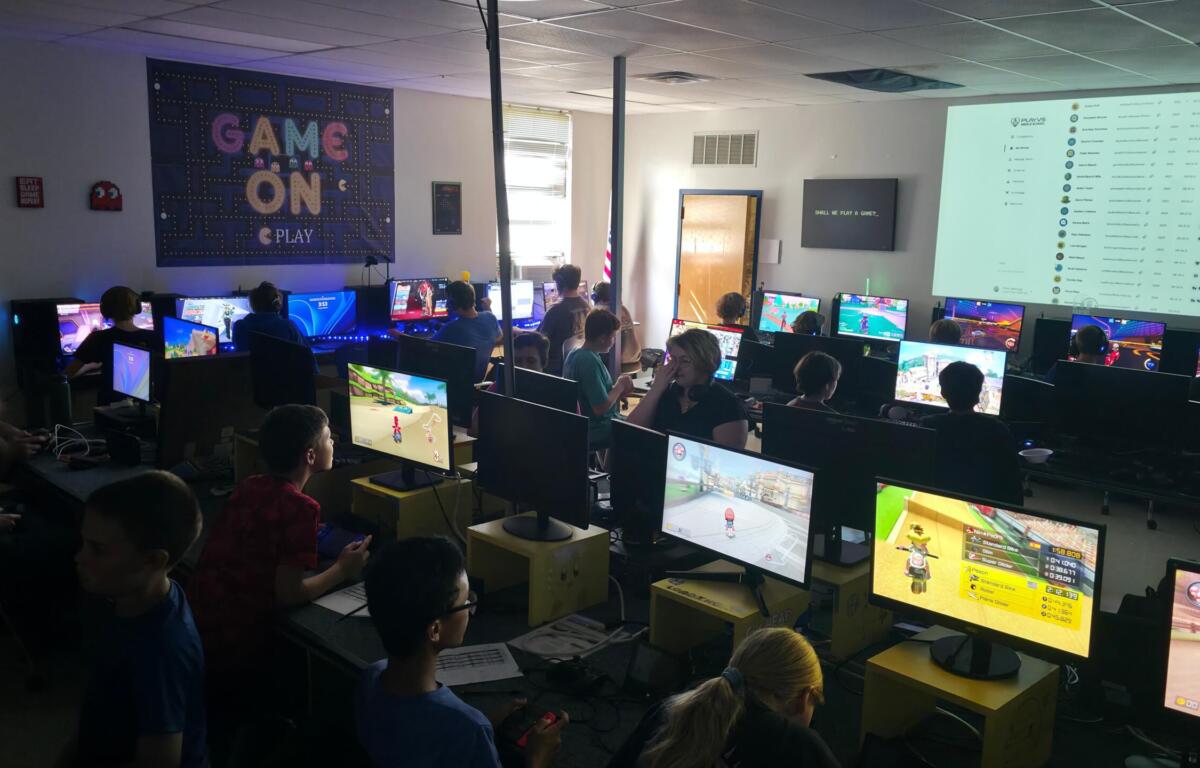
Walk past Room 150 at Valley View Junior High School on any given weekday afternoon, and you won’t hear the squeak of sneakers on hardwood or the blast of a coach’s whistle. Instead, you’ll be hit with what eSports Coach Chris Jennings affectionally calls “loud organized chaos.”
Between 3:30 and 4:30 p.m., a roster of 51 students ranging from sixth graders to high school seniors trades the traditional playing field for monitors, headsets, game controllers, and mouse and keyboards.
| ADD US ON GOOGLE NEWS: Click here to see more local news from Jonesboro Right Now
What started as a simple classroom reward system has evolved into a powerhouse program, proving that for the Blazers, securing a state title requires just as much communication, strategy, and practice as any sport on the gridiron.
JRN spoke with Jennings to get an idea of the program and what’s next for the students.
Origins & Roster Selection
The Valley View eSports program isn’t something that happened overnight. For years, Jennings said he used video games as a classroom reward system for students who finished their work early.
But things changed in fall 2018 when PlayVS, the company that runs the competitive leagues, approached the Arkansas Activities Association (AAA) about bringing eSports to the state.
Jennings attended the initial pitch meeting that October, and by spring 2019, Valley View was competing in Arkansas’ first official eSports season. He explained that it was initially limited to just “League of Legends” and “Rocket League,” but today, the program has expanded, with newer gamers such as “Marvel Rivals” being included.
With 51 students currently on the roster–and an open-door policy for students to join or sub in throughout the season–earning a spot on a team requires a tryout process tailored to each specific game.
For titles like “Super Smash Bros.,” Jennings said the team runs a round-robin tournament to see who can rack up the most wins to secure a spot. “Mario Kart” hopefuls are put on the clock, running time trials to prove who is the fastest on the track.
However, when it comes to team-based titles, Jennings said he looks for much more than raw gaming talent.
“It’s not all about winning. Definitely a big concern is how well they communicate with each other,” he said. “Just because they’re really good, especially those team games, if you can’t play with others… then I’m going to be less interested in you being on the team.”
Jennings stressed that a positive attitude and a willingness to collaborate often trump individual skill.
“You all can grow together and get better,” he added. “Whereas a person who’s really, really good, but not willing to [communicate] is just going to be negative and looking down on the others because they’re not as good. That’s not being a good team player.”
Practice, Strategy, and Finding a Community
To the uninitiated, an eSports practice might just look like a room full of teenagers playing video games. But Jennings is quick to point out that their weekday sessions are structured much like any traditional athletic program.
“If you go to a basketball practice, they’re not just playing a game of basketball the whole time. They are taking some time to shoot free throws, sometimes to do layups, and do different drills,” he said, adding he expects the same deliberate practice from his eSports roster.
For example, “Mario Kart” players document their daily time trials to track their speed improvements on specific tracks. Meanwhile, “Rocket League” competitors spend hours grinding out complex mechanics such as executing mid-air “aerials” or mastering difficult tasks like catching the ball on the hood of their digital car to carry it across the field and into the goal.
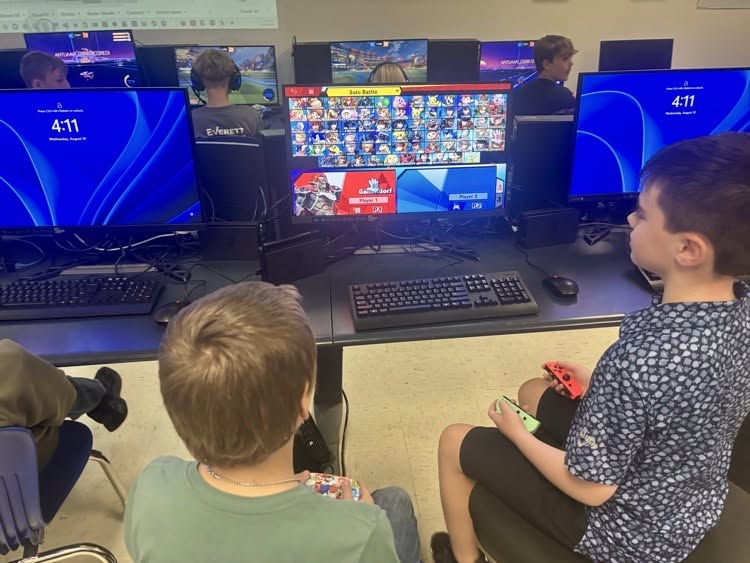
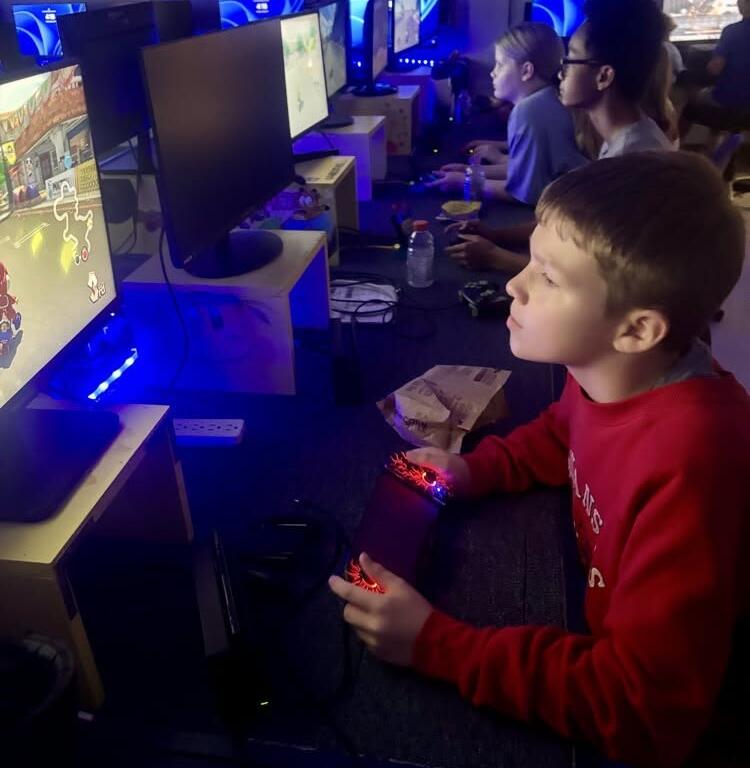
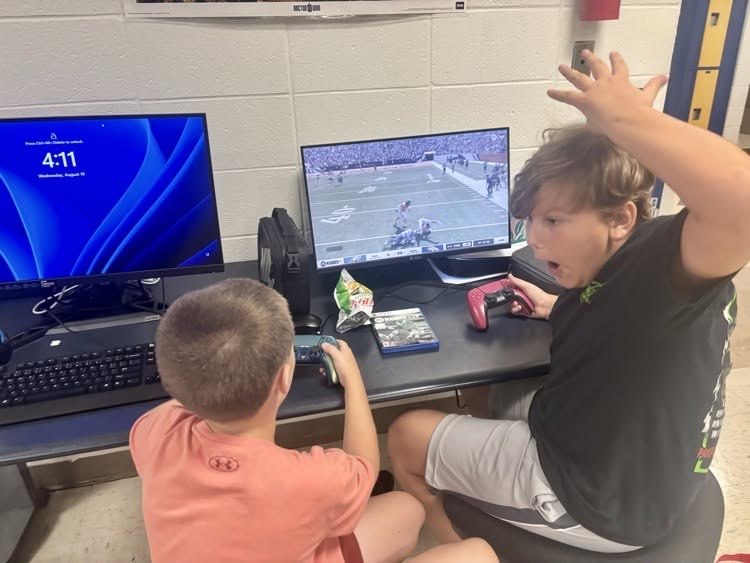
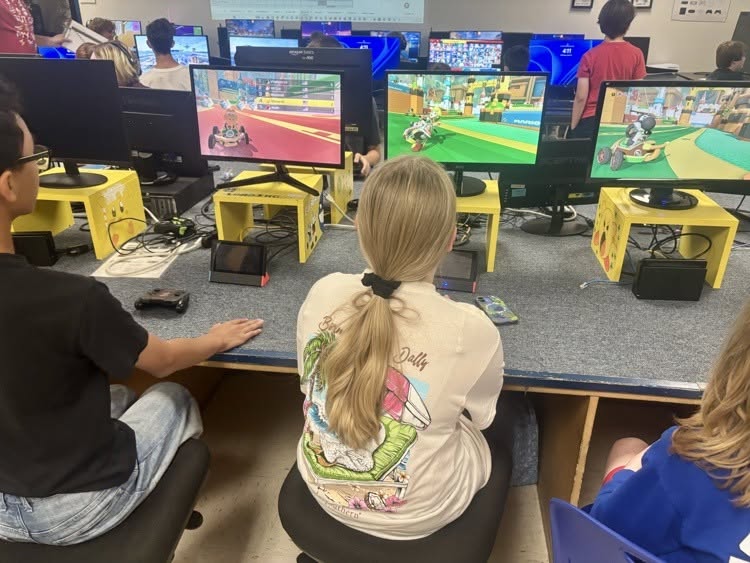
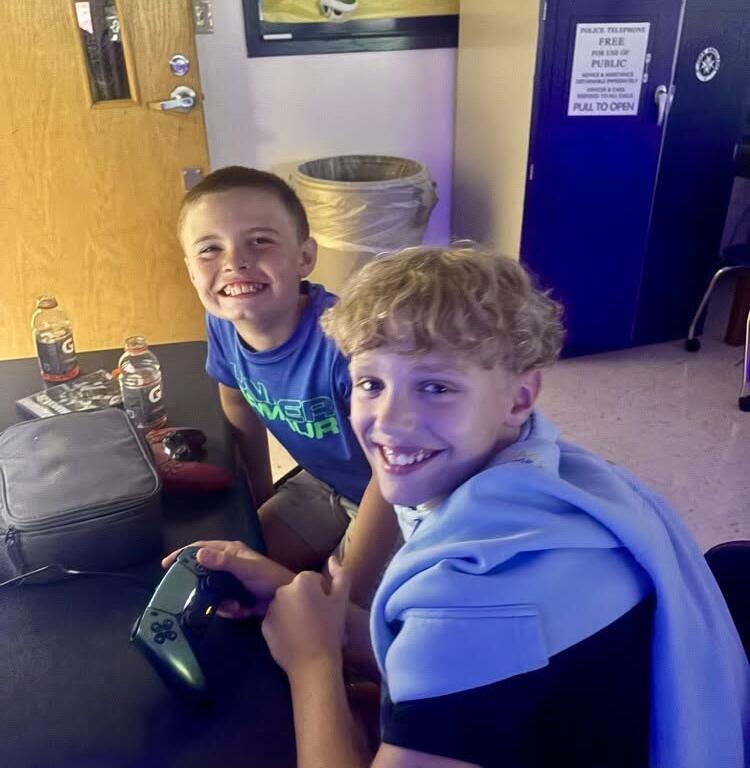
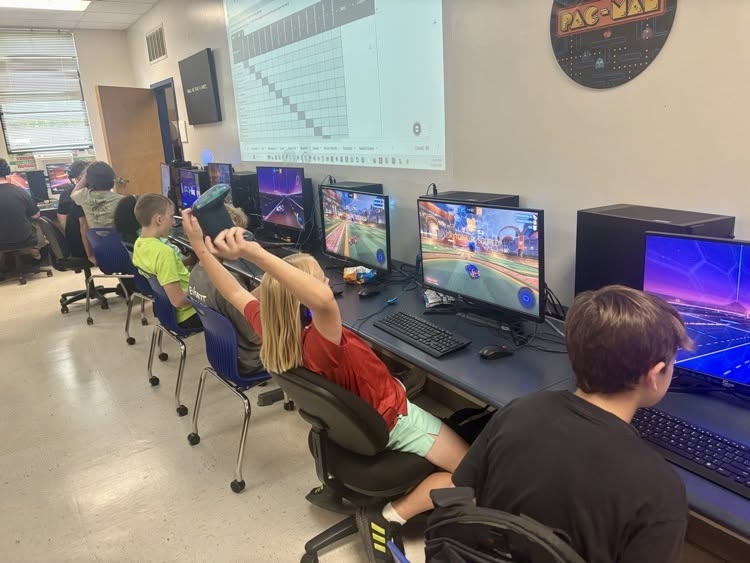
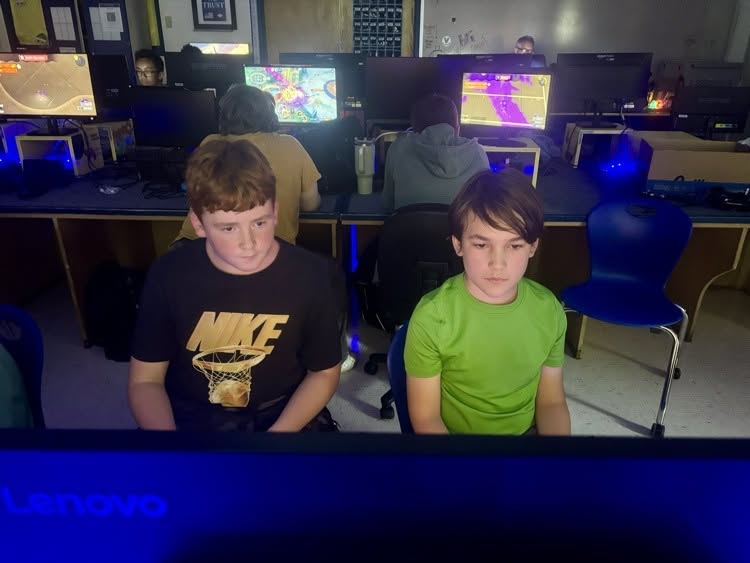
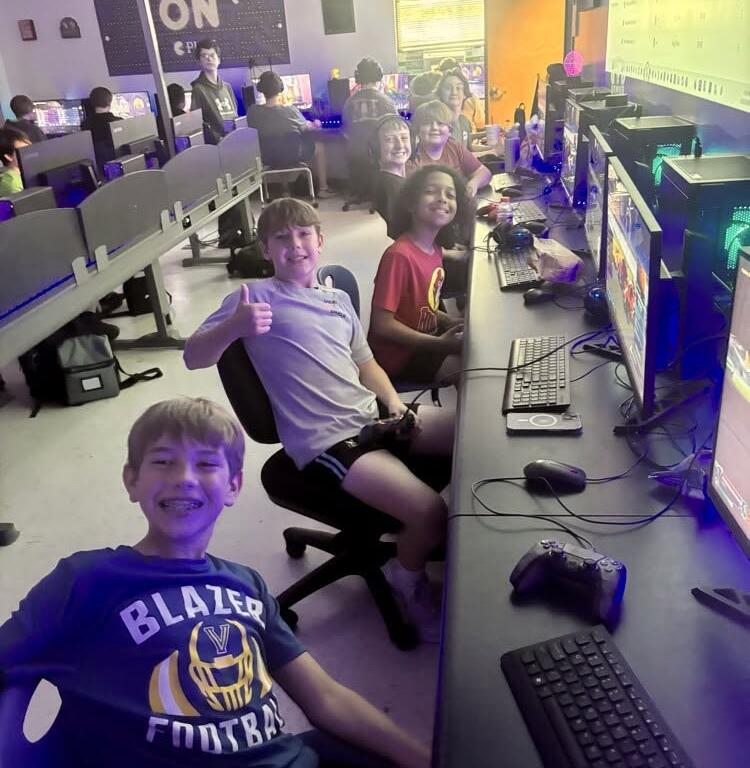
Images courtesy of Valley View Middle School/Facebook
While mechanical repetition is crucial, the team is also leveraging modern technology to outsmart their opponents.
Over the last year, Jennings introduced artificial intelligence (AI) as an analytical coaching assistant to evaluate team compositions.
He explained that following the fall season, he took the team’s preferred “Pokémon UNITE” roster and fed the players’ individual character selections into an AI program.
The program returned a detailed breakdown of the team’s structural strengths and blind spots, offering strategic suggestions on how to build a more resilient lineup. Jennings said the students used the data to adjust their selections and develop better counterstrategies, bringing a highly analytical approach to their gameplay.
Perhaps the most significant impact of Valley View’s eSports program isn’t found on a scoreboard or a state ranking, but in the community it provides for its students.
Jennings said while the roster does include some traditional student-athletes, the program primarily serves a different demographic.
“We appeal to a lot of kids that aren’t already part of a particular group,” he explained. “It’s a different group of kids that love spending more time playing games and aren’t interested in any of the traditional sports or extracurriculars.”
For these students, Room 150 has become a sanctuary, a place where they can decompress after the final bell, share snacks provided by parents, and build deep connections.
Through the world of competitive gaming, Jennings said the students are learning how to handle tough playoff losses, analyze their mistakes as a unit, and step up for their peers.
“It meets the need for some of the kids who didn’t necessarily have a group; they now have a group,” he said. “Being part of any team just enhances your communication skills with other people and helps to build leadership.”
Success and the Road Ahead
While personal growth and community are the foundation of the program, the Valley View Blazers are certainly not lacking in competitive accolades.
Bringing home a state championship trophy is always the ultimate goal, but Jennings noted that incremental milestones represent massive victories for the team. Last fall, the “Super Smash Bros.” squad–which had previously peaked in the top 16 or 32–fought their way into the top eight during the playoffs.
The high school team has also made significant waves on a national level. Jennings said in a system that ranks win percentages across teams in the United States and parts of Canada, Valley View High School ranked 23rd overall during the fall season. By week six of the spring season, they had climbed all the way to 12th.
That level of success requires commitment, and Jennings said he wants to make sure his players understand the expectations once they log in.
“I’ve always said this: we’re not just for fun. I do want you to be competitive, because everybody does enjoy winning,” he said, emphasizing that they have a limited window of three days a week to focus on improvement. “If you forfeit three games, then you can’t even go into the playoffs. You’ve got to show up.”
Looking ahead, Jennings wants to field a dedicated team for every single game title the league offers. As new games are added to the state roster, the need for fresh talent continues to grow.
For students looking to join the ranks, Jennings said the tryout process is simple: just show up.
Practices are held Monday through Thursday from 3:30 to 4:30 p.m. in Room 150 at the Valley View Junior High School. Whether a student is a season competitor or a newcomer willing to learn the ropes as a substitute, Jennings encouraged them to stop by and see if the program is the right fit.
| DAILY BRIEF: Sign up for the Jonesboro Right Now Daily Brief Newsletter