




Jonesboro, AR – (JonesboroRightNow.com) – Every February, our nation turns its attention to American Heart Month.
In Northeast Arkansas, where heart disease remains the leading cause of death, awareness is more than a buzzword. It’s a necessity.
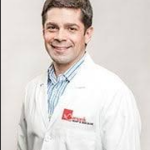
To get a better understanding of heart health in our region, Dr. Max Arroyo, chief of cardiology and interventional cardiologist at St. Bernards Heart and Vascular, explains what we should know about this remarkable organ and its systems.
Q: Why is American Heart Month important for our region?
Dr. Arroyo: It gives us a chance to have honest conversations about our health. According to the CDC, Arkansas has the fourth-highest death rate from cardiovascular disease in the U.S.
In fact, one in eight adult Arkansans have received some form of heart disease diagnosis. Sadly, we expect there are many more cases we don’t know about. This month focuses on educating and encouraging people to take ownership of their cardiovascular wellness before a crisis.
Q: When should I see a cardiologist?
Dr. Arroyo: You should consider seeing a specialist if you have a family history of early heart disease or if you have been diagnosed with conditions that increase your risk, such as diabetes or high cholesterol.
From a symptomatic standpoint, do not ignore chest pain, unusual shortness of breath, or heart palpitations. Even if you feel healthy, if you are over 40 and have risk factors like smoking or a sedentary lifestyle, I recommend getting a baseline evaluation. A cardiologist can catch issues like valve disease or arrhythmias before they become emergencies.
Q: What tests or measurements should I consider to know more about my heart health?
Dr. Arroyo: Knowledge begins with your numbers. A standard lipid panel measures your total cholesterol, HDL (good) cholesterol, LDL (bad) cholesterol, and triglycerides. We also look closely at blood pressure, aiming for values below 120/80, and Body Mass Index (BMI) to assess weight-related risks.
For a deeper look, St. Bernards offers advanced diagnostic tools like EKG tests to record electrical activity and Calcium Scoring, which is a specialized CT scan that measures plaque buildup in the arteries. We also use stress tests and echocardiograms to see how the heart performs under physical activity.
Q: What specific services does St. Bernards offer to combat these statistics?
Dr. Arroyo: We provide a full continuum of care. St. Bernards Heart & Vascular offers everything from noninvasive imaging to complex surgical interventions. Our services include electrophysiology for heart rhythm issues, interventional cardiology to clear clogged arteries, and structural heart care for valve repairs.
We also operate a specialized Heart Failure Clinic and a Cardiac Rehabilitation program. These resources are designed to help patients manage chronic conditions and recover effectively after a procedure. We want our community to know they do not have to travel far to receive world-class cardiovascular care.
Q: How can we start improving our heart health today?
Dr. Arroyo: Simple lifestyle changes make a big difference. The Arkansas Department of Health reports that nearly half of adults in our state have high blood pressure, often linked to family history, high sodium diets, and inactivity. Reducing salt intake, increasing daily movement, and scheduling regular checkups are the best first steps.
Join Us for St. Bernards Heart Day
St. Bernards invites the community to take a proactive step toward health at the upcoming Heart Day event. This event offers a unique opportunity to receive screenings and expert advice.
- When: Thursday, February 12, 2026
- Time: 8:00 a.m. to 1:00 p.m.
- Where: St. Bernards Auditorium, 505 East Washington Avenue, Jonesboro, AR 72401
- Details: Attendees can access free screenings, including carotid artery ultrasounds, blood pressure, BMI, and lipid panels. The event will also feature Ask the Expert sessions, basic CPR training, heart-healthy education, and much more.
For more information about cardiovascular services at St. Bernards, please visit https://heart.stbernards.info.