


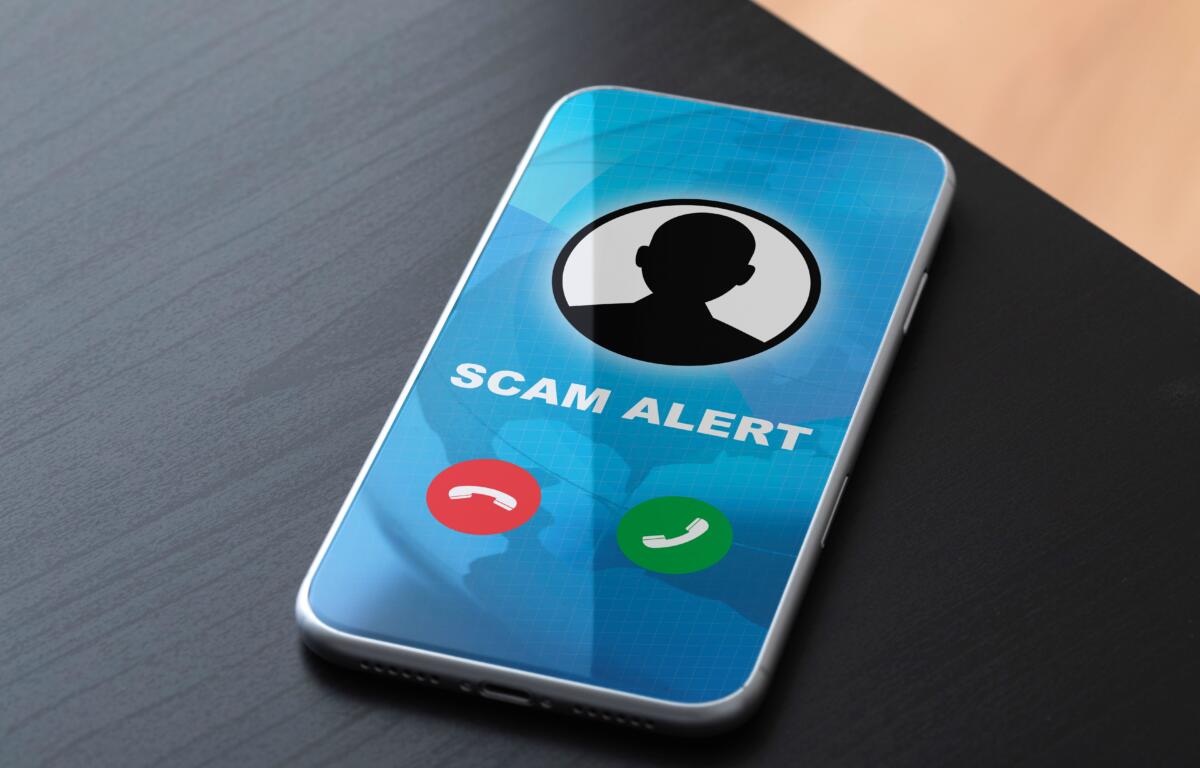

Jonesboro, AR – (Contributed) – Arvest Bank is warning the public about a rise in scams involving unsolicited video calls.
The recent trend involves scammers impersonating financial institutions, including Arvest. Scammers reach out via text, phone call or email to initiate a video call through FaceTime or another video conferencing platform.
They may claim there is a serious problem, such as suspicious activity or a technical issue that needs immediate attention. Their goal is to trick customers into sharing their screen in real-time while they sign into their bank accounts, enter passwords or transfer money.
“Scammers are always finding new ways to steal money from their victims, and that includes using video calls to gain access to financial accounts,” said Erin Gray, director of Integrated Account Protection at Arvest Bank. “One of the best ways to keep yourself safe from potential fraudsters is to pay attention to red flags. When in doubt, contact your financial institution directly for assistance. At Arvest, we will never ask for a video call or request that you share your screen with us.”
Gray shares the following tips to help people identify these screen-sharing scams and protect themselves and their sensitive information.
What to Watch For:
- Unsolicited and unexpected contact with an urgent request for you to act quickly.
- Request to share your screen through FaceTime or a video conferencing app, such as Zoom.
- Ask to watch you log in to your account or make a transfer from one of your accounts to another.
How to Stay Safe:
- Verify unexpected calls. Never trust your caller ID alone to verify a caller. If the call is unexpected, hang up and call the company they are representing back at a verified number.
- Pay attention to email addresses. Scammers may use a web-based email service, such as Gmail, to spoof a company or bank.
- Never share your screen with strangers. Legitimate companies shouldn’t ask you to share your screen unless you initiated this request first.
- Routinely check your accounts. Watch for any strange or unexpected transactions or money movement. Contact your bank immediately if you see suspicious activity.
- Stay calm and take your time. Scammers can be aggressive and pressuring. Try not to make any decisions until you’ve had time to confirm the situation.
If you believe you’ve been the target of a scam, report it to your bank and to the Federal Trade Commission at reportfraud.ftc.gov.