



JonesboroRightNow publishes contributed opinion pieces representing both sides of a variety of topics. Opinions presented do not necessarily reflect those of the newsroom or management. To join the conversation, visit the Opinions and Editorials page.

Jonesboro, AR – (Contributed) – As a country, we don’t get good sleep, and unfortunately, it seems to be getting worse. There are lots of reasons we’re not sleeping well, including chronic diseases, work schedules, partner snoring (sorry, sweetheart), etc., but the biggest reason seems to be stress (financial, social, political, personal, etc.).
Sleep affects everything. Are you having trouble losing weight despite diet and exercise? It could be your sleep cycle, seriously.
Very little was really known or taught about the impact of sleep when I attended medical school. However, over the last ten years, we have really seen a large amount of research come out about how much our sleep (or lack of it) affects everything from weight loss to our ability to fight cancer.
A lot of people struggle with getting quality sleep, specifically deep sleep. In June of 2025, an article from the National Library of Medicine was released that looked at 79 different scientific studies on sleep. It found that getting less than seven hours of sleep a night was related to a 14% increase in all-cause mortality (death for any reason) and that sleeping more than nine hours per night was associated with a 34% increased risk of all-cause mortality.
You need between 7-9 hours of sleep each night, with the “sweet spot” being 8 hours. Less than 5-6 hours per night, or more than 10 hours per night, significantly increases the risk of pre-mature death (death before the age of 75).
Per the CDC, about a third of the U.S. population gets less than seven hours a night of sleep (too little), and an estimated 3-8% of the population are “long sleepers”, meaning they sleep longer than 9 hours a night (too much).
Sleep Stages
Is all sleep the same? Nope. Let’s look at a breakdown of the two different phases of sleep – Non-REM and REM (rapid eye movement). You actually cycle through those two phases throughout the night. A cycle starts over about every 80-100 minutes, and you go through anywhere from 4-6 cycles in a given night.
Non-REM has three separate stages:
- Stage 1 (N1) – when you’re falling asleep (shortest period)
- Stage 2 (N2) – when you’re asleep, light sleep (longest period)
- Stage 3 (N3) – Deep sleep; this is where body repair occurs (critical to your health)
REM Sleep
- Usually, dreaming occurs in REM sleep.
- Muscles are limp (so you don’t act out your dreams)
- Sleep paralysis also occurs here.
Your circadian rhythm is your body’s natural sleep/wake cycle. Everyone is a little different.
Quality Matters
What happens if I don’t get good sleep? As mentioned earlier, we’re now seeing more and more research that ties disease to poor sleep.
Specifically, poor sleep increases the risk of obesity, high blood pressure, type 2 diabetes, stroke, coronary heart disease, accelerated brain aging (visible on MRI), aortic stenosis, cognitive decline/early dementia, gastrointestinal issues (via the gut-brain interaction), atrial fibrillation, and fatty liver disease, just to name a few.
As an example, have you heard of gut-brain? Despite everything we know, we still don’t know jack about how the body really works. Like how one system affects another, and how a change in one area causes an issue with a totally separate area of the body? Here’s some quick news on that.
Researchers looked at gut bacteria of people with insomnia and found that there are 14 different bacteria that are linked to an increased risk of having insomnia, they also found 8 bacteria that were linked to a decreased risk of having insomnia. In total, they found 41 different gut bacteria that have some effect or association with sleep. Remember, your gut bacteria can change, and are highly dependent on what you ingest (food, drink, medicines, supplements, etc.). Just one more reason to maintain a healthy diet.
Poor sleep is absolutely tied to our overall mental health, and can worsen depression and anxiety symptoms. Unfortunately, it can catch up to you. A study in the journal Nature found that people who had regular, interrupted sleep in their 30s and 40s were more than twice as likely to have problems with memory and cognition 10 years later.
This one is very interesting; a single night of bad sleep could actually impact the composition of your blood. In a small study of 8 women, researchers looked at their blood after they had only 6 hours of sleep a night. They found changes in 66 different proteins that negatively affect the blood’s clotting system, cholesterol synthesis, and immune function (specifically wound healing). More studies still need to be done, but that is fascinating.
Tips for Better Sleep
So, how do you get better sleep? Sleep hygiene is a really important place to start. You have to set yourself up to have good sleep.
An environment for sleep success might look like:
- A pitch-dark room with no ambient light. Your brain doesn’t “turn off” completely when you sleep; the hypothalamus is monitoring your surroundings for you (that’s why you wake up at that “bump” in the middle of the night). Having light shine into your room can keep that alert center engaged and disrupt your sleep cycle. There is also new evidence that ambient light can increase the risk of atrial fibrillation (the most common heart arrhythmia).
- Cold (like really cold – low 60’s); you shouldn’t be physically cold, but the room should be.
- No electronic devices 45 minutes before bed. As I said previously, your brain is not like a light switch; you can’t just turn it off at the end of the day. It needs time to wind down. How long? At this point, we believe that you need around 45 minutes of downtime before going to bed. That’s no screens (iPad, cell phone, TV, or whatever digital screen is keeping your emotions and cortisol levels up) The same goes for reading an action-packed or stress-provoking book/article.
- Don’t eat, read, or watch TV in bed. Remember, your brain (and your body) craves a regular schedule. This sounds weird, but your brain needs to know that when you get into bed, it’s time to go to sleep.
- No liquids. If you have to get up and pee in the middle of the night, stop drinking any liquids after your evening meal. If you continue to get up to pee after making that change, go see your doctor.
- Your diet affects sleep. In a small study, 34 people were assigned different diets, and then wore a wrist monitor to gauge how it affected their sleep. Those who ate more fruits and vegetables during the day had fewer nighttime disruptions in sleep. (Reason #5,821 to eat more fruits & vegetables)
- No caffeine after 3:00 p.m. Some people shouldn’t have it past noon. Remember, the half-life (how long it takes your body to break down ½ of the drug) of caffeine is about 6 hours (varies from 2-12 hours). You don’t need caffeine in your system, or it will delay your ability to hit REM sleep and make it harder to get deep sleep.
- Exercise. It improves your sleep quality. Most people do better when they exercise in the morning, but some do better in the evening. There’s no right or wrong answer on when to work out … Just do it! (Pun intended. Unfortunately, I have no Nike endorsements to date.)
Sleep Supplements – Good or Bad?
The short answer on sleep supplements is that most don’t work and can actually worsen your overall health. Even if they help you fall asleep, they are probably interrupting your natural circadian rhythm (that’s why you may still wake up tired or get fatigued during the day).
Let’s break down some common sleep supplements.
Melatonin: Don’t take it, and don’t give it to your kids. If you’re on it, find a way to get off it.
It’s a hormone that is naturally produced by your body (from the pineal gland), which helps you go to sleep and stay asleep. Researchers said, let’s just turn that into a pill (by synthetically creating it in a lab or from yeast/bacteria) and take it! Not so fast – as is typical with most things, it doesn’t always work out when we do that.
Melatonin slipped through the cracks in terms of federal oversight. The supplement was labeled as a “food,” which means the product doesn’t go through the same testing and manufacturers can produce misleading information without worrying about getting their hand slapped.
In April of 2023, a Journal of the American Medical Association (JAMA) study looked at 25 different melatonin gummy products found on the shelf of your local pharmacy. None of them had the advertised amount of melatonin they claimed to have. Let me repeat that – NONE, nada, zero, goose egg.
They either had more (one had up to 347% more than what was listed on the label) or much less. One claimed to have 5mg of melatonin, but had none. However, it did have 31 mg of CBD.
This is another reminder about vitamins, supplements, herbals, etc. The federal government (FDA) considers them “food,” and they are not required to go through the testing that aspirin and Tylenol do. There is no guarantee you’re getting what’s listed on the bottle. A good indication if it’s considered “food” or not is if the back of the label says “Serving Size,” then it’s a supplement (food).
Melatonin also shows a newly found association with heart failure. In a study of 130,000 adults, with half of them taking melatonin and half not, after considering other factors (age, gender, race, other cardiac risk factors, etc.), the melatonin users were 3.5 times more likely to be admitted to the hospital for heart failure.
Bottom line, the American Academy of Sleep Medicine (the experts in sleep medicine) advises against the use of melatonin for sleep.
Bitter Cherry Juice: Sweet and tart cherries actually contain a natural form of melatonin (and tryptophan).
There was a review of six studies that seemed to show some positive outcomes in terms of helping with getting to sleep and staying asleep. The quality of the studies varied from fair to good, but there’s a catch – you’d have to eat something like 50 pounds of cherries to get the effect. That means you’re stuck in the supplement aisle, trusting some big company that’s trying to make a buck. Cherry juice might be an option to try. I’d trust it over a supplement version.
Diphenhydramine (Benadryl): This one has been popular for a while until new evidence emerged on its harms.
It absolutely makes you sleepy. It works by blocking histamine (H1 and H2 receptors), which interferes with the pathways in your brain that cause stimulation (wakefulness). However, long-term use of diphenhydramine is linked to higher rates of dementia and memory loss. It can also worsen heart arrhythmias, especially atrial fibrillation. This one is also not recommended by the American Academy of Sleep Medicine.
Magnesium: There’s not a lot of data on the use of magnesium to help with sleep, but that hasn’t stopped us from trying something before.
It’s a mineral, important to your body, that many have used with some success in helping with insomnia. A double-blind study of 46 elderly adults, where half took 500 mg of magnesium, and half were given a sugar pill, showed that the magnesium group had a little better improvement in sleep compared to the sugar pill group, but the difference wasn’t huge. In 2021, there was a review of 3 studies, with a total of 151 people, that showed a possible link to improved sleep in older adults. Another review of 9 studies with 7,582 people produced mixed results, with some showing a positive effect and others showing no effect. The quality of the studies was low.
Magnesium-L-threonate seems to be the popular form. That supplement is formed when magnesium is chemically bonded to L-Threonate. That supposedly allows the magnesium to move into the brain, and theoretically increases its impact. I’m not sure if that’s really true, but there have been a couple of studies that showed a positive outcome. However, none of those studies have convinced me to recommend it at this point.
The American Academy of Sleep Medicine has no position on the use of magnesium for use as a sleep aid. They state that there is not enough data to say one way or another.
The bottom line is you probably won’t hurt yourself by trying it, but buyer beware. We really need larger, randomized controlled trials to figure out if there truly is a benefit, and who really benefits at what dose.
Apart from supplements, there are some “viral” sleep aids that aren’t a good idea. Those include inhaling aerosols or essential oils, “sleepy girl Mocktails”, CBD, “bed rotting”, or mouth taping.
Is Sleep Apnea Really a Big Deal?
Untreated sleep apnea can be a killer, seriously. What happens is that you stop breathing (aka no oxygen to the brain) throughout the night while sleeping. The low oxygen level triggers your brain to wake up and breathe. (Otherwise, your first episode of sleep apnea would be your last.)
In addition to interfering with getting quality sleep, that constant “low oxygen to the brain” cycle throughout the night is really bad for you. Luckily, there are treatments that can make a big difference. I’m really intrigued by the new implantable devices that stimulate your body to keep your airway open while sleeping.
Sleep apnea increases the risk of Parkinson’s Disease. While I see the connection, it was still a surprise to read this one. A new study of 11 million veterans found an association with sleep apnea and the development of Parkinson’s disease. Apparently, the low oxygen episodes during the night can be a risk factor for Parkinson’s Disease.
Another surprising study that’s worth mentioning. In this paper, 1,441 adults with sleep apnea were run through an MRI machine. Those who were diagnosed with moderate to severe sleep apnea had almost a 4-fold higher incidence of small bleeding in the brain that was detected by the MRI. From what I can tell in the article, none of them had stroke-like symptoms, but you have to wonder if this is the reason behind the associated stroke risk for sleep apnea patients. Untreated sleep apnea increases the risk of stroke by 2-4 times compared to those who don’t have it.
Catching Up on Sleep
You may wonder, “Can’t I just catch up on my sleep over the weekend?” Yes, and no. Staying on a schedule for your body is really important. That includes weekends, holidays, and vacations. We all want to sleep in during those times, but it’s not really a good idea if you can help it.
For the most part, if you stay up later than normal one night, your body will want to catch up on that missed sleep the next morning or the next day. That should seem pretty obvious. However, your body can’t “wait” forever and catch up on accumulated missed sleep. That sleep is just lost, and the damage is done.
There is a study that looked at 91,000 people and found that sleeping in on the weekends can help you catch up on some of that sleep and reduce your risk of heart disease by about 20%. With that in mind, the extra hour of sleep on the weekends is not a bad idea.
Working at night can be prohibitive to good sleep as well. In my opinion, if you work at night, you are underpaid. I don’t care what you’re getting; it’s not enough. I know that we live in a 24-hour world that requires it (ER, Police, Fire, EMS, factories, construction, etc.), and that some people actually prefer working at night, but it’s absolutely not good for your health.
As we look at the data on night workers, we see that, depending on how many years they perform night work (although the negative data seems to really go up after 5 years), they average 15 years of lost life.
If you do have to work at night, here are some fast tips for maximizing your sleep:
- Ensure that when you sleep, you get quality sleep – that’s the best advice. Complete covering of the windows to prevent any sunlight, keeping your room cold, etc.
- You also need to ensure you’re hitting the other big three factors for good sleep – good diet, regular exercise, and attention to mental wellness.
- And, don’t forget vitamin D. It’s an important vitamin for overall health. Humans get most of their needed vitamin D by absorption through the skin from the sun. (Interesting, getting energy/power from the sun to make us stronger … sounds like a “super” movie plot.)
Some people prefer a nap schedule. Naps are good, but too many, and too long, are bad. Taking a nap allows you to get a quick rest and recharge to continue your day, and can be really beneficial. However, naps lasting longer than 45 minutes, or going beyond two per day, have been linked to poorer health outcomes.
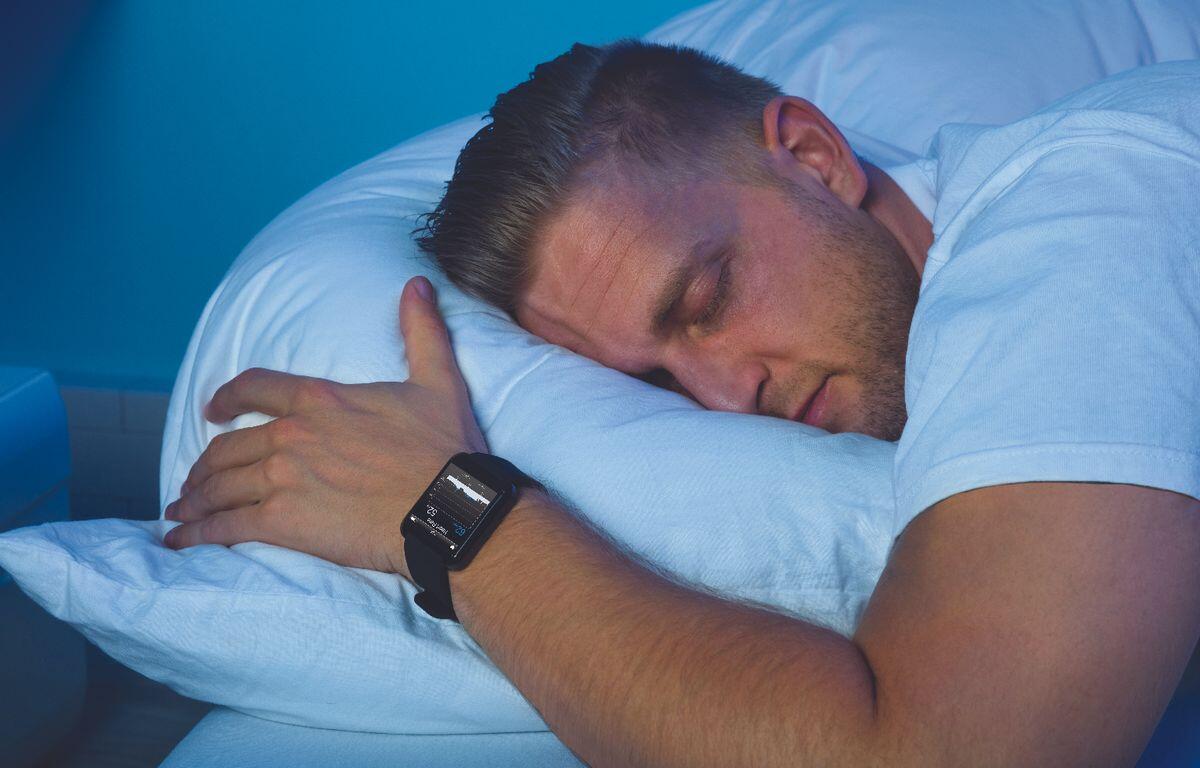
And, the best way to know if you’re actually hitting sleep goals is by keeping track. I’m a fan of the fitness trackers that include tracking your sleep at night. There are lots of these on the market, and they all have different features, but having something that can monitor your heart rate, number of steps taken per day, oxygen saturation, and sleep can be really helpful in giving you direction on where to focus for better health outcomes.
One word of caution. Don’t go crazy with tracking. You can get consumed by looking at that data and start obsessing over the numbers. You should be more interested in long-term trends. Looking at your health status over weeks, months, and even years will give you a better picture of your overall health and areas you can work on.
Generally speaking, quick changes are usually not sustainable and rarely contribute to long-term health benefits. Slow, consistent, intentional changes are the way to go.
Still awake after reading this? Don’t forget, sleep is just as important as diet and exercise. I know it’s not as glamorous to talk about, but you can’t choose one area over another. You have to commit to being mindful of all four – diet, activity, sleep, and mental wellness.
Stay tuned for the next and final part in this series: mental wellness.